
Church Hurt and Therapy: How to Heal When the Wound Came From Your Faith Community
You still believe in God. You know that much.
But walking back through those doors — past the people who hurt you, past the memories of what happened in that place you trusted — that feels like something you are not ready for. Maybe something you are not sure you will ever be ready for.
If that is where you are, I want you to know something before you read another word: what happened to you was real. The wound is real. And the fact that it came from a faith community does not make you less spiritual — it makes the healing more layered. Because church hurt cuts differently than other kinds of pain.
This post is for you.
What Church Hurt Actually Is
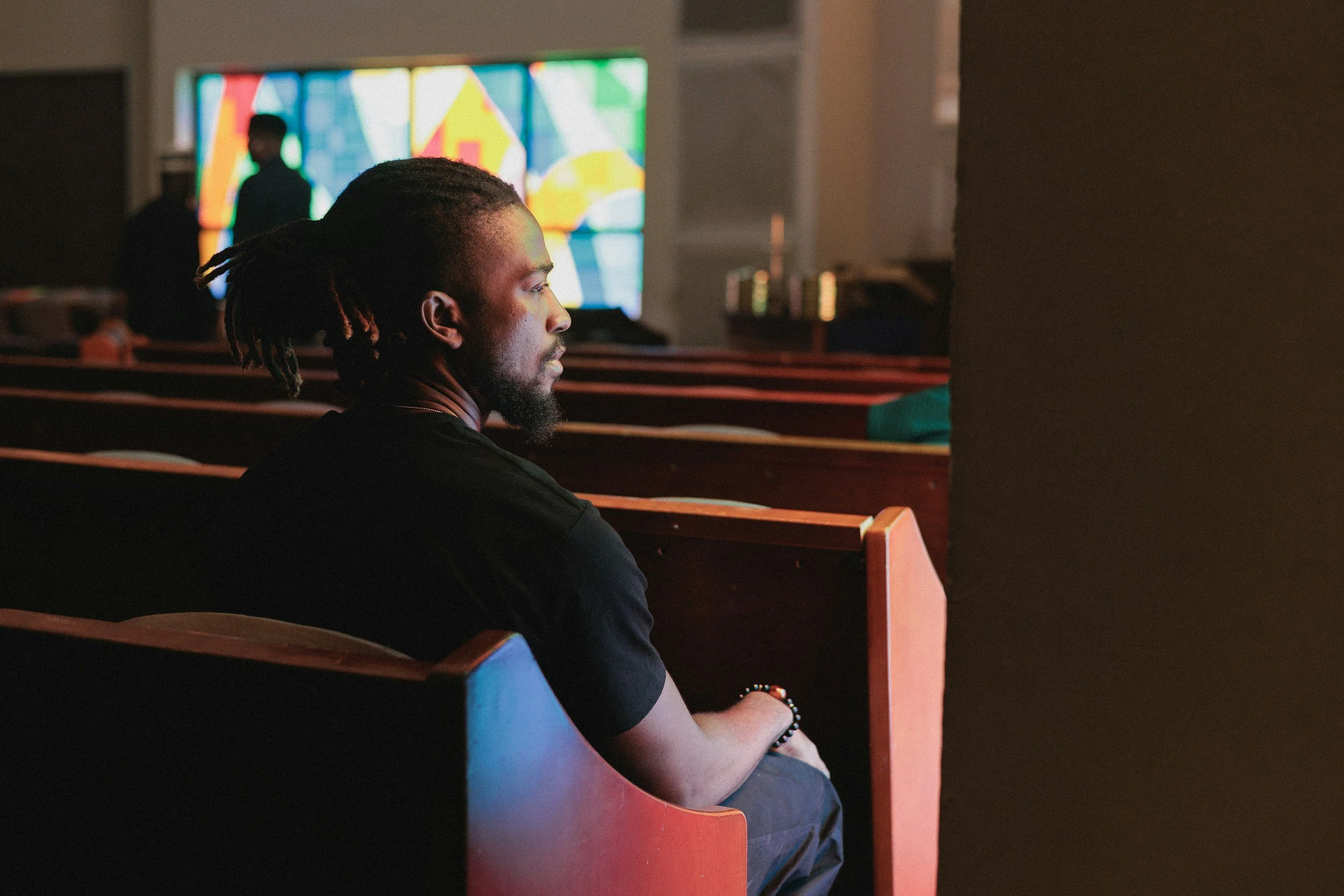
Church hurt describes the experience of being wounded by a faith community — by leaders, mentors, friends, or the institution itself. And it hits harder than many other relational wounds for one specific reason: the vulnerability and the trust that were built in that space.
You let people in. You believed in something sacred together. You brought your real self — your doubts, your prayers, your most tender places — into a community where you expected to be safe. And then something happened that shattered that safety.
Maybe you were rejected. Maybe someone you trusted deeply betrayed that trust. Maybe leadership failed you, or the community you had built your life around turned its back when you needed it most. The specific circumstances are different for everyone. But the impact is consistent: it cuts deeper because it was never supposed to happen here.
And that depth is what makes it harder to heal.
What Makes It So Complicated to Move Through
Church hurt is not just about the people who hurt you. It becomes entangled with your relationship with God — sometimes without you even realizing it.
When we put people on pedestals — pastors, mentors, ministry leaders — and then those people fail us, the wound does not stay contained to them. It bleeds into everything associated with them: the church, the worship, the scripture, and eventually, God Himself. The association becomes so intertwined that walking away from the people sometimes feels like walking away from faith entirely.
This is where a clinical reframe becomes essential — and it is one of the most important pieces of work I do with clients who are carrying church hurt:
God is perfect. People are not. God is wise. People — not always.
That sounds simple. But when you have been deeply wounded by someone who represented God to you, separating the two is not simple at all. It is a process. It happens gradually, as you move through each piece of the hurt — evaluating how much power you are giving to the pain, how much space the people who hurt you are still taking up in your heart, and learning to hold grace for them the way you would hope grace would be held for you.
Not because what they did was okay. It was not. But because staying entangled in that hurt keeps you entangled with them. And you deserve to be free.
Separating God From the People Who Hurt You

One of the most important shifts in healing from church hurt is learning to separate your view of God from your experience of people.
The church is made up of humans — every one of them on their own journey, every one of them capable of sin and falling short. That includes pastors. That includes elders, deacons, mentors, and the most respected people in the building. They are human. They make mistakes.
That does not make God smaller. It makes people human.
When you begin to take people off the pedestal — not in bitterness, but in honest realism — you begin to see God more clearly again. He is not contained in the walls of any building or the actions of any leader. He is who He has always been. And the grace you are learning to extend to the people who hurt you is the same grace He has always extended to you.
This reframe does not happen overnight. But it is the doorway through which healing actually becomes possible.
Does Healing Require Going Back to Church?
This is one of the most common questions I hear — and I want to answer it honestly.
In my clinical and faith-based opinion: yes, full healing from church hurt eventually involves being able to return to community. Not necessarily the same church. Not on anyone else's timeline. But we are meant to be in community — that is woven through scripture and through human design. Isolating from faith community permanently does not complete the healing. It protects against further hurt while leaving the wound unfinished.
But that return is a process. And it starts much smaller than walking back through the doors of a church.
Small Steps Back Toward Community
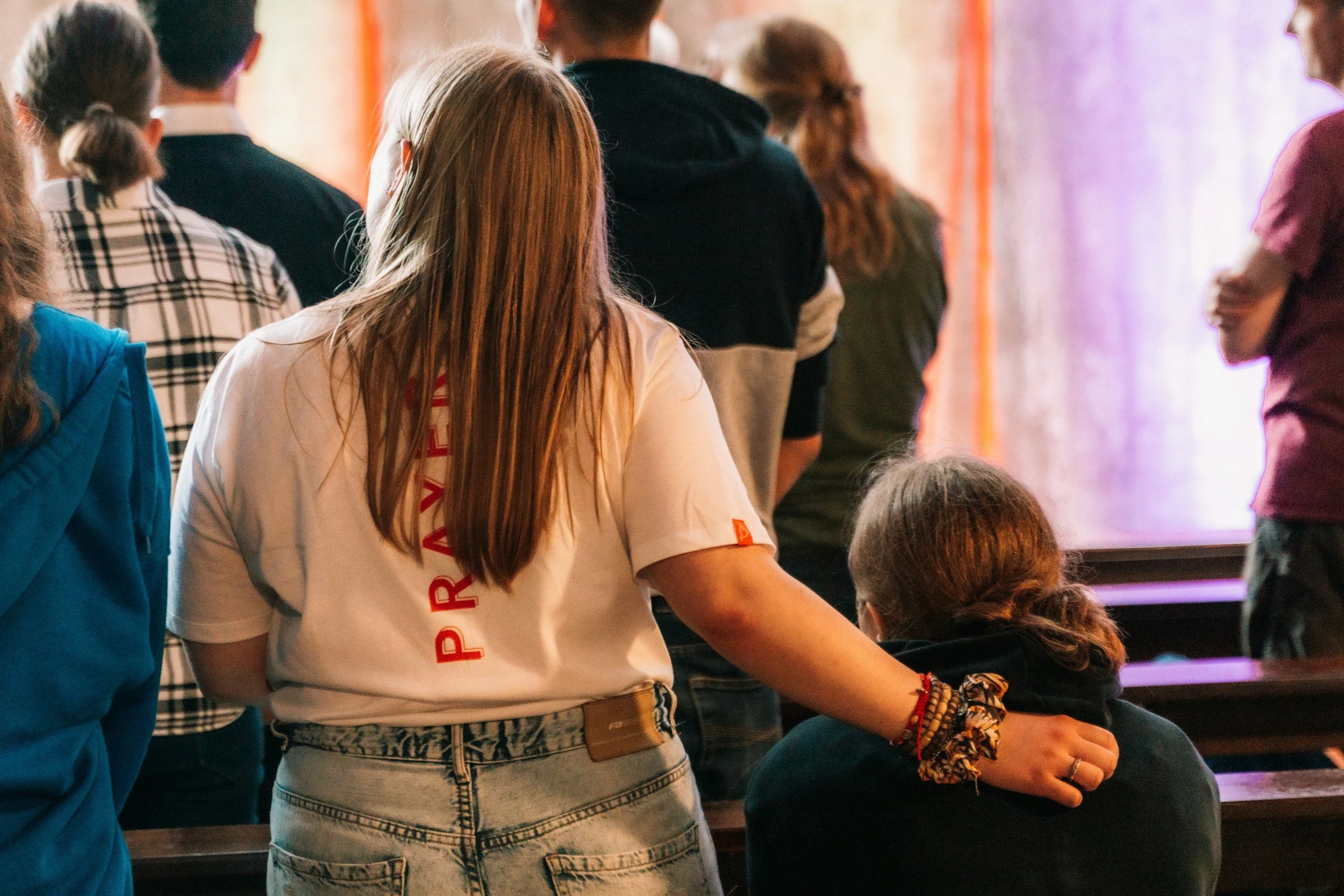
If you are not ready to walk into a church but you still want to move toward healing, start here:
Start from a distance. Look into online churches. Read about them. Watch a service or two without committing to anything. Let yourself ease back into worship without the pressure of showing up in person.
Find the people you trust. Think about the individuals from that faith community — the ones who were genuinely good to you, who you still miss. Reach out. You can maintain a relationship with a brother or sister in Christ without going back to the same building. Hold that connection while you hold the boundary.
Let the process be gradual. There is no deadline on this. The goal is not speed. The goal is genuine healing — so that when you do return to community, you are not carrying unprocessed hurt back into a new space.
And through all of it — find a place to process the wound. Find a safe space where you can pull out the roots, not just manage the symptoms. Because what holds so many people back from truly healing is that they have not been able to fully work through what happened. The hurt stays buried, just below the surface, affecting everything without being named.
Therapy is that space. It is where you find the roots and pull out the weeds — so you can grow fully, without the entanglement of unresolved hurt. So you can have a more complete view of God, of community, of yourself. And so you can step into how He still wants to use you — because that purpose did not disappear when the people let you down.
To the Person Carrying This Quietly
To the person who still believes, who is still serving and loving God in the best way they know how — but who cannot bring themselves to walk back through those doors and feels a quiet shame about the fact that they were hurt at all:
You have nothing to be ashamed of. Your faith brought you into that community. Your heart was open. And God sees that — even in the middle of the hurt. He is not finished with your story, and He is not finished with your healing.
You are allowed to grieve what happened and still move forward. Grace covers you here too.
Find someone safe to process this with — a therapist, a trusted person who will listen without minimizing. Because the part of the wound that still has power is the part that has not been spoken. And speaking it — in the right space, with the right person — is where healing begins.
If you are in Little Rock or anywhere across Central Arkansas and you are ready to start that process, I am here. Sessions are available in person at our West Little Rock office and via telehealth — so you can begin healing from wherever you are, at exactly the pace you need. The consultation is free.
Schedule your free 15-minute consultation today →Call or text: (501) 283-7879
Frequently Asked Questions
Do I have to be religious to address church hurt in therapy? No. If the wound came from a religious community and it is affecting your life, we can address it regardless of where your faith currently stands. At BH Counseling Clinic, faith-based therapy is an option we offer — not a requirement. You set the pace and the framework. We follow your lead.
Will you encourage me to go back to church? My role is not to tell you what to do with your faith community. We work together at your pace, processing the hurt and helping you clarify what you actually want — including what role community plays in your life going forward.
Does BH Counseling Clinic accept insurance? BH Counseling Clinic is in-network with Municipal Insurance (MHBF — Municipal Health Benefit Fund). Private pay options are also available, and we can provide a superbill for out-of-network reimbursement. Learn more here.
Sources
American Counseling Association (ACA). (2014). ACA Code of Ethics. Alexandria, VA.
Captari, L. E., Hook, J. N., Hoyt, W., Davis, D. E., McElroy-Heltzel, S. E., & Worthington, E. L. (2018). Integrating clients' religion and spirituality within psychotherapy. Journal of Clinical Psychology, 74(11), 1938–1951.
Exline, J. J., & Rose, E. (2005). Religious and spiritual struggles. In R. F. Paloutzian & C. L. Park (Eds.), Handbook of the Psychology of Religion and Spirituality (pp. 315–330). Guilford Press.
Worthington, E. L. (2006). Forgiveness and Reconciliation: Theory and Application. Routledge.
Romans 3:23; Hebrews 10:25; Ephesians 4:32 (NIV)