
The Role of Movement (Not Just Exercise) in Processing Emotional Overwhelm

Emotional overwhelm isn’t just in your thoughts — it lives in your body.
At BH Counseling Clinic in Little Rock, Arkansas, we use movement-based and somatic techniques to help adults release stored stress and anxiety.
When you are hit with emotional overwhelm—whether from high-functioning anxiety, relational conflict, or a major life transition—your body often locks up. You feel stuck, frozen, or restless. You might tell yourself to "calm down," but your emotions refuse to follow.
This is because emotional overwhelm is a full-body experience. Stress and unprocessed emotions are stored as tension and rigidity in the nervous system. You cannot simply think your way out of a body that feels like it’s screaming.
As a counselor who practices holistic therapy, I often guide clients toward movement—not intense, high-impact exercise—but simple, intentional action designed to discharge emotional energy. At BH Counseling Clinic in Little Rock, AR, we believe the body is a powerful partner in healing.
1. Why Movement is Necessary for Emotional Release
Movement is your nervous system's way of completing the stress cycle.
The Stress Cycle: When you encounter a threat (a looming deadline, a tough conversation, a job loss), your body prepares for fight or flight. If you sit still and suppress the emotional energy, it stays trapped in your muscles and fascia, leading to chronic anxiety and tension (Source: The Neurobiology of Trauma and Stress).
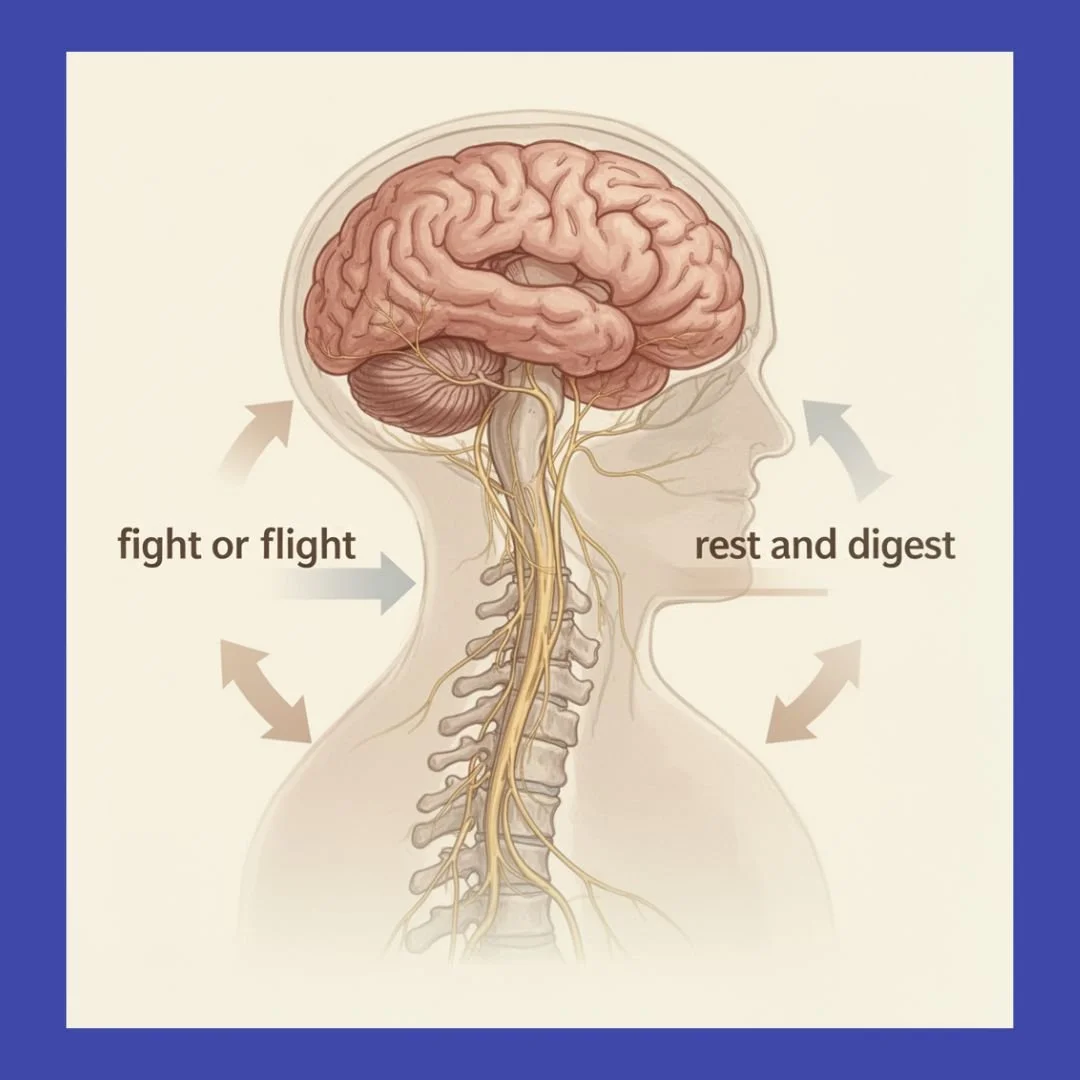
Movement helps complete the stress cycle by signaling safety to the nervous system.
Somatic therapy in Little Rock supports anxiety regulation at the body level.
Movement Completes the Cycle: Simple, rhythmic movement (like walking or gentle stretching) signals to your Vagus Nerve and nervous system that the threat has passed, allowing the body to return to the "rest and digest" state.
2. Techniques to Discharge Emotional Energy
You don't need a gym membership to process overwhelm. You need intention. Here are simple, body-based techniques we recommend:
The Shake-Out: When anxiety spikes, stand up and gently shake your hands, arms, and legs for 60 seconds. This is a natural, biological way to release residual stress energy, often seen in animals after a near-miss.
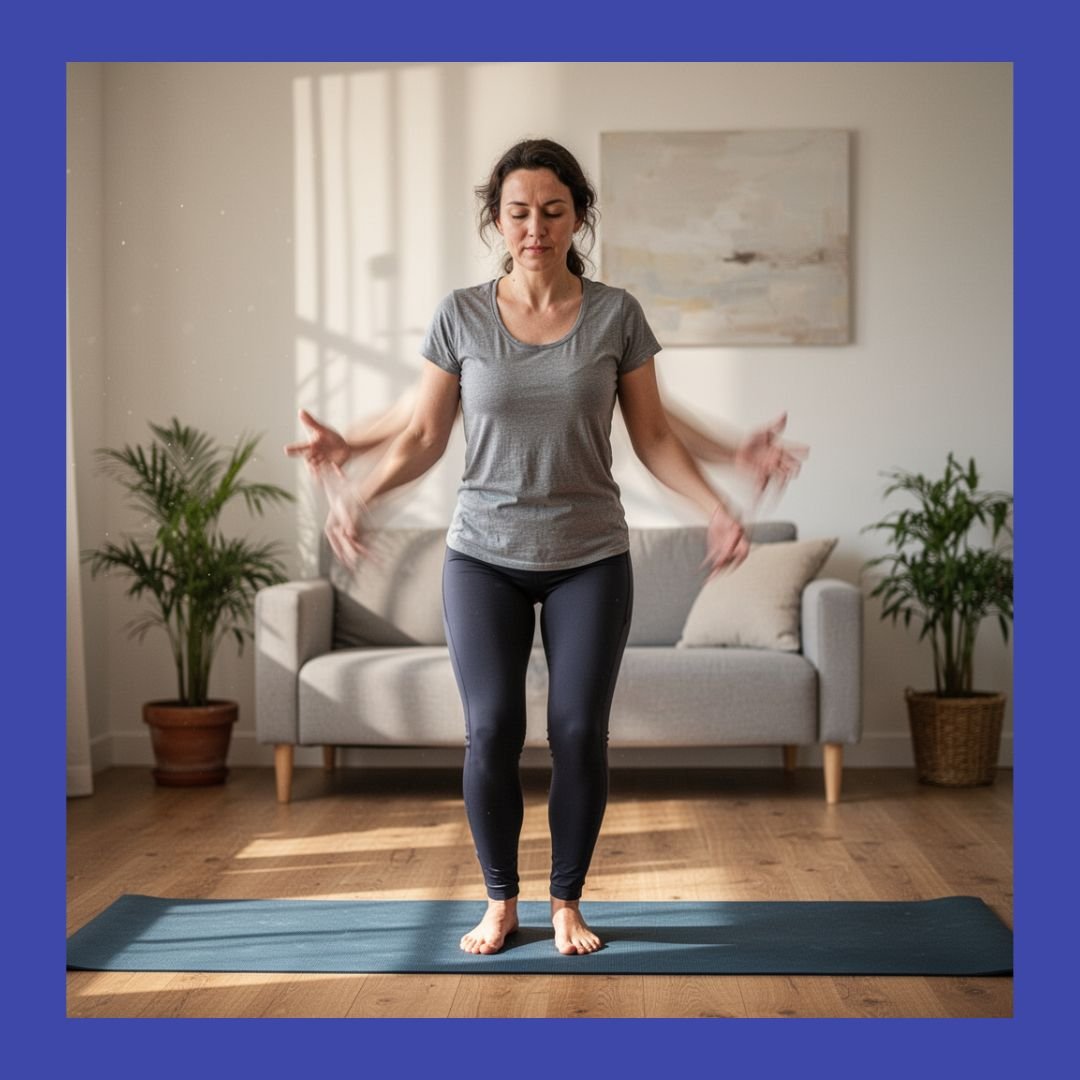
Simple nervous system reset: 60 seconds of shaking can help discharge stored stress energy.
Somatic anxiety tools available at BH Counseling Clinic in Little Rock.
The Rhythmic Walk: Walk with the intention of releasing tension. Focus on the simple, rhythmic pattern of your feet hitting the ground. Try walking the Big Dam Bridge or a local Little Rock trail and allow your mind to passively observe the environment rather than actively worry.

A rhythmic walk across the Big Dam Bridge in Little Rock or even a local field can help regulate anxiety and complete the stress cycle.
Movement is medicine for the nervous system.
Conscious Grounding: When feeling floaty or anxious, stand with both feet firmly planted. Gently sway your body side-to-side or rock slightly forward and back. This reconnects your mind to the physical certainty of the ground beneath you.

Grounding techniques reconnect the mind and body during anxiety spikes.
Holistic therapy in Little Rock integrates body awareness for emotional regulation.
3. Integrating Movement into Your Transition

Shared movement — like evening walks — can reduce family tension and improve emotional connection in Little Rock households.
Movement is a crucial tool for managing the physical symptoms of major life transitions (e.g., the restless energy of a career change, the exhaustion of new parenthood).
Boundary Against Perfectionism: For clients with high-functioning anxiety, we emphasize that this movement is self-care, not a performance metric. The goal is emotional discharge, not burning calories.
Family Connection (MFT): Movement can be integrated into family life. Simple, shared movement—like an evening walk together—can reduce family tension and improve non-verbal communication.
Spiritual Connection (Optional): Movement can be a form of moving meditation, allowing for quiet reflection and spiritual grounding outside of a structured setting.
Ready to Move Through Your Overwhelm?
If you're in Little Rock, AR, and feel like your body is holding onto stress you can't talk your way out of, the solution lies in integrating movement into your healing.
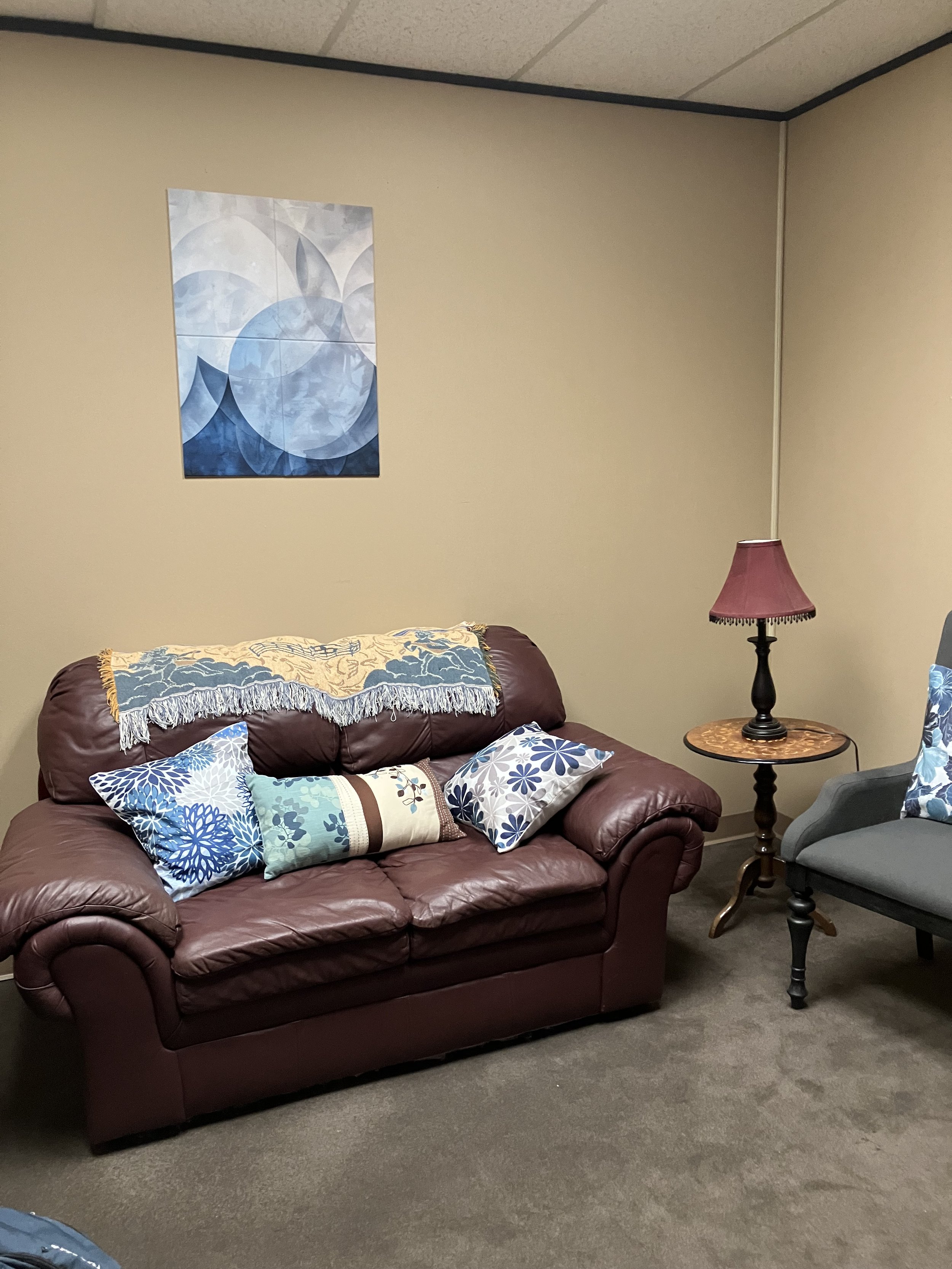
BH Counseling Clinic provides the specialized, holistic, and accessible therapy you need to understand your body's signals and build an integrated approach to resilience.
Don't stay stuck in the emotional freeze. Book your free 15-minute consultation today to learn how to move toward peace.
References
Mate, G. (2011). When the Body Says No: Understanding the Stress-Disease Connection.Wiley.
Levine, P. A. (2015). In an Unspoken Voice: How the Body Releases Trauma and Restores Goodness. North Atlantic Books.
Van der Kolk, B. A. (2014). The Body Keeps the Score: Brain, Mind, and Body in the Healing of Trauma. Penguin Books.