
Why We Believe in Treating the Mind, Body, and Spirit Simultaneously
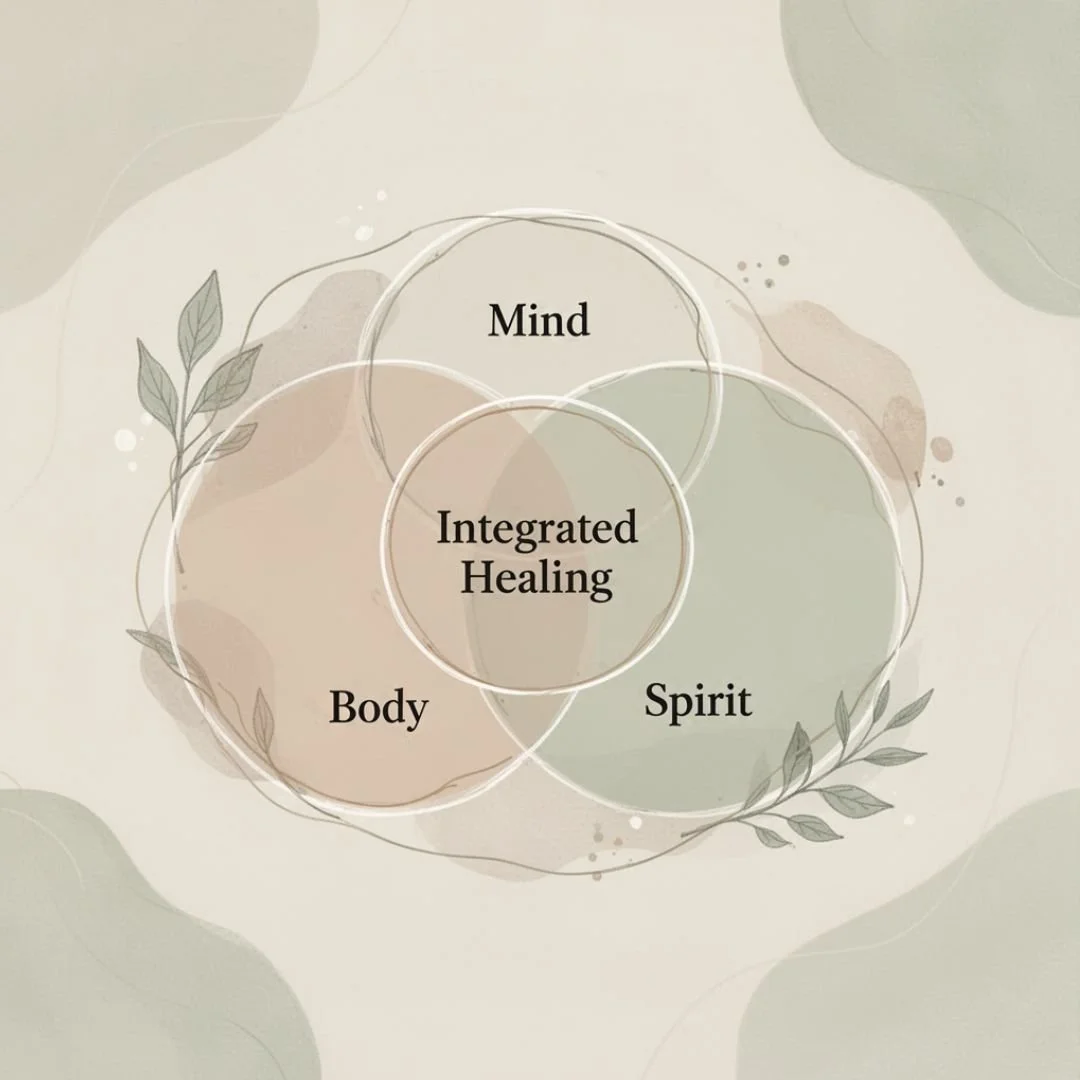
True healing isn’t one-dimensional. At BH Counseling Clinic in Little Rock, AR, we help adults and families address anxiety, life transitions, and emotional stress through an integrated Mind–Body–Spirit approach.
Because lasting change requires the whole person.
When most people think of counseling, they think of the Mind—talking through thoughts, emotions, and memories. While this is crucial, it’s only one-third of the puzzle.
At BH Counseling Clinic in Little Rock, AR, our philosophy is rooted in the conviction that you are not a collection of separate parts; you are an interconnected whole. We believe true, resilient healing—especially when navigating difficult life transitions—must address the Mind, Body, and Spirit simultaneously.
This holistic approach is why our clients move beyond temporary coping skills and find deep, lasting transformation. Here is why we insist on this integrated model.
1. The Flaw of the "Mind-Only" Approach
Treating only the mind is often insufficient because the body and spirit hold critical information and influence.
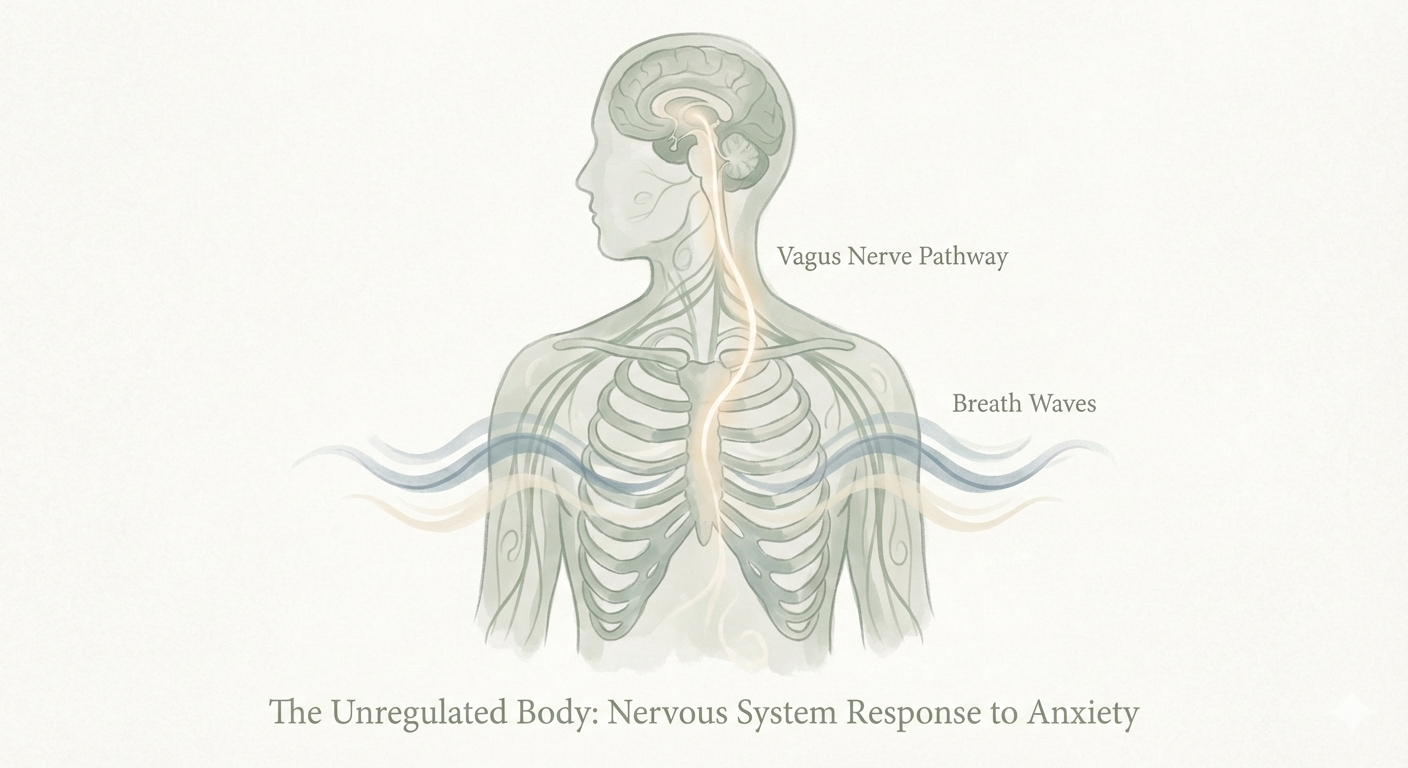
At BH Counseling Clinic in Little Rock, we integrate somatic therapy techniques to calm the nervous system and reduce stress at its source.
The Unregulated Body: If your mind is anxious, your body is in fight-or-flight (high cortisol, shallow breath). Talking about anxiety while your body is constantly stressed is like driving a car with the parking brake on. You won't get far.
The Missing Purpose: If your spirit (sense of purpose and values) is disconnected, any mental clarity you achieve feels empty or unstable. Without a strong "Why," the "How" often breaks down under pressure.
2. The Role of Each Pillar in Healing
Our simultaneous approach ensures no part of your struggle or strength is overlooked:

For many clients in Little Rock, healing deep anxiety or burnout requires reconnecting with core values—not just managing symptoms.
Mind: The Pilot and Interpreter
Function: Processes logic, identifies thought distortions (like the anxiety of high-functioning perfectionism), and guides goal setting.
Therapeutic Focus: Using CBT to challenge negative narratives and Narrative Therapy to redefine your story of transition.
Body: The Barometer and Stabilizer
Function: Stores emotional trauma, signals stress, and governs emotional regulation via the nervous system (Vagus Nerve).
Therapeutic Focus: Integrating somatic and mindfulness techniques (like breathwork) to release stored tension, improve sleep, and ground the nervous system. A regulated body allows the mind to work effectively (Source: Somatic Psychology research).
Spirit: The Anchor and Compass
Function: Provides meaning, connects you to your core values, and offers hope during crises. It informs your ultimate sense of identity and self-worth.
Therapeutic Focus (Client-Led): Exploring core values and purpose. For those who choose, integrating faith-based principles to provide a stable, unconditional anchor that is independent of external achievements (Source: Meaning-Centered Psychotherapy).
3. Holistic Treatment for Life Transitions
This integrated model is uniquely powerful for life transitions because these events shake your foundation at all three levels:

By treating them together, we create healing that is deeper, more robust, and more resilient to future stress.
Ready for Integrated Healing in Little Rock?
If you've been to therapy before and felt like something was missing, it may be because only one pillar was addressed. At BH Counseling Clinic, we are dedicated to helping Little Rock adults and families find complete wellness.
We offer specialized, accessible, client-led therapy focused on integrating your Mind, Body, and Spirit for resilient change.

Start your journey toward whole-person healing. Book your free 15-minute consultation today.
References
Siegel, D. J. (2010). Mindsight: The New Science of Personal Transformation. Bantam Books.
Van der Kolk, B. A. (2014). The Body Keeps the Score: Brain, Mind, and Body in the Healing of Trauma. Penguin Books.
Frankl, V. E. (2006). Man's Search for Meaning. Beacon Press.