
How Your Nutrition and Sleep Are Connected to Your Mental Health

When you are stressed by a life transition—a job search, a new baby, or relationship conflict—what is the first thing that changes? Usually, it's your eating habits (more fast food, less balance) and your sleep (less quality, more worry).
This isn't just an accident; it's a direct reflection of how your mind and body are interconnected. As a counselor committed to holistic therapy, I know that talk therapy alone is less effective if your brain and body lack the fuel needed for emotional resilience.
At BH Counseling Clinic in Little Rock, AR, we look beyond just your thoughts. We integrate practical adjustments to your nutrition and sleep habits because a well-nourished body is essential for a stable mind.
1. The Gut-Brain Axis: Your Second Mind
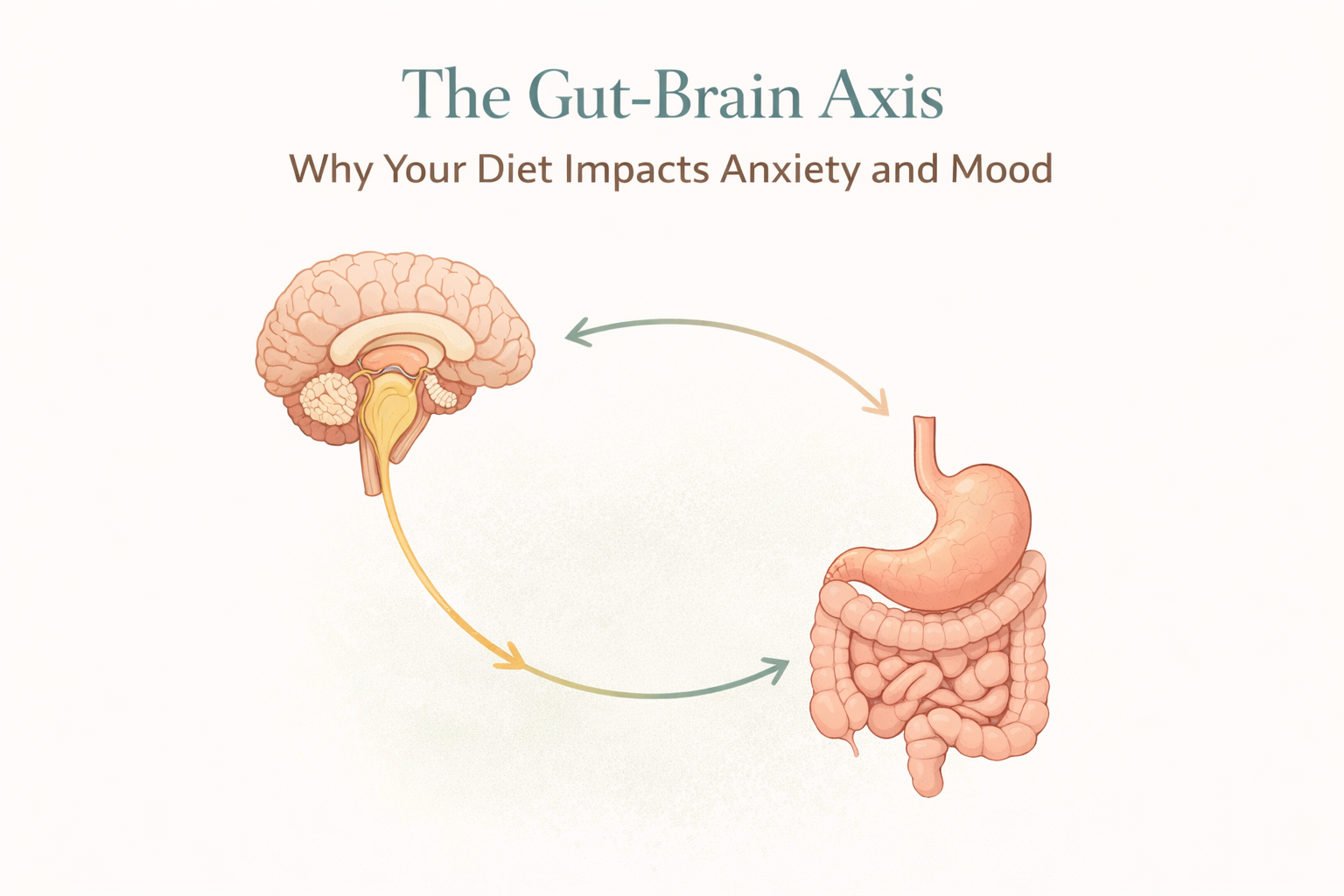
The connection between what you eat and how you feel is regulated by the Gut-Brain Axis.
The connection between what you eat and how you feel is regulated by the Gut-Brain Axis—a direct communication line between your digestive system and your brain, heavily influenced by the Vagus Nerve.
Impact of Diet: When you consume highly processed foods, excess sugar, or inconsistent meals, it stresses the gut. An inflamed gut sends distress signals directly to your brain, which your brain interprets as anxiety or low mood(Source: Neurogastroenterology research).
The Goal: Consistent, balanced nutrition helps stabilize blood sugar and gut health, which in turn leads to more consistent energy and emotional regulation, helping you better cope with transition stress.
2. Sleep: The Essential Regulator of Emotional Health

Sleep hygiene or routines help quiet the anxious mind before bed, turning off the stress response and preparing the body for rest.
If your mind is racing with anxiety (a common symptom of high-functioning anxiety or transition stress), sleep is often the casualty. Yet, sleep is the single most important time for your brain's emotional "reset."
The Impact of Poor Sleep: During sleep, your brain consolidates memories and regulates mood chemicals. Chronic sleep deprivation dramatically increases irritability, amplifies worry, and reduces your ability to cope with stress (Source: APA Sleep and Mental Health Guidelines).
The BH Approach: We help clients implement "sleep hygiene" techniques and use mindfulness and breathing exercises (like Vagus Nerve stimulation) to quiet the anxious mind before bed, turning off the stress response and preparing the body for rest.
3. The Holistic Toolkit: Simple Changes for Big Impact

One small sustainable adjustment at a time.
We understand you can't overhaul your entire life overnight. Our approach focuses on small, sustainable adjustments that respect the demands of your life here in Central Arkansas.
Nutrition Focus: Aim for consistent meals (to stabilize blood sugar) and increase your intake of fiber and protein(to feed the gut and sustain energy). You don't need a perfect diet, just a reliable one.
Sleep Focus: Create a "Digital Sunset"—turn off screens 30-60 minutes before bed. Use that time for quiet transition, like reading a physical book or practicing a gentle stretch.
Consistency: Consistency is more important than intensity. Doing something small every day to honor your sleep and nutrition is a powerful act of self-care and resilience.
Ready to Invest Holistically in Your Well-Being?

If the stress of your life transition is eroding your energy, your mood, and your ability to sleep, it's time to address the foundations.
BH Counseling Clinic provides specialized, holistic, and accessible therapy to help Little Rock individuals and families integrate mental and physical wellness, ensuring you have the strength and clarity needed to navigate your challenges.
Nourish your mind by nourishing your body. Book your free 15-minute consultation today to start your holistic journey.
References
Cryan, J. F., & Dinan, T. G. (2012). Mind-altering microorganisms: the impact of the gut microbiota on brain and behaviour. Nature Reviews Neuroscience, 13(10), 701-712.
American Psychological Association (APA) guidelines on the bidirectional relationship between sleep deprivation and mood disorders/anxiety.
Porges, S. W. (2011). The Polyvagal Theory: Neurophysiological Foundations of Emotions, Attachment, Communication, and Self-regulation. W. W. Norton & Company.