

Pre-Marital Counseling: More Than Just Planning a Wedding
Pre-marital counseling isn’t just about wedding logistics—it’s about building a strong, lasting partnership. Topics include communication, family expectations, faith, and conflict resolution. Little Rock couples benefit from general and faith-based sessions, strengthening marriage foundations and preparing for a joyful future together.

“Don’t just plan a wedding — prepare for a marriage.”
The engagement ring is dazzling, the venue is booked, and your Pinterest boards are full. Wedding planning can be exhilarating, but amidst the catering choices and seating charts, it's easy to overlook the most important piece of the puzzle: the marriage itself.
Pre-marital counseling is often viewed as a requirement or a quick formality. In reality, it is a crucial act of proactive self-care for your future partnership.
As a counselor specializing in Marriage & Family Therapy, I believe that pre-marital counseling is the most valuable investment a couple can make. At BH Counseling Clinic in Little Rock, AR, we help couples build a strong, lasting foundation that is prepared for life's inevitable transitions.
1. Decoding the Hidden Issues (Beyond Logistics)

“The strongest marriages are built on conversations most couples avoid.”
Couples often come to us thinking they have everything figured out, only to find the core issues are not about who cleans the dishes, but about deeper, unresolved themes:
Family Expectations: How will you handle holidays, money, and conflicting advice from your families of origin? This is a primary source of early marital stress.
Money and Values: It's not about the dollar amount, but what money means—security, freedom, or control. We help couples align their core financial values.
Conflict Resolution: Every couple fights. Pre-marital counseling teaches you how to fight fairly, turning conflict into an opportunity for growth rather than a source of relational damage (Source: The Gottman Method of Couples Therapy).
2. It's a Life Transition for the System

“Money, family, and expectations — better discussed now than discovered later.”
Marriage is a major life transition that fundamentally restructures two individuals into a new family unit. The stress comes from merging two separate lives, routines, and expectations.
Defining Boundaries: Who makes the final decision? How much time is spent with friends versus family? We help you collaboratively define boundaries that honor both your individual needs and the new needs of the partnership.
Holistic Wellness: We look at your individual and shared well-being. How will you holistically support each other's mind, body, and spirit when life gets stressful? We help you build these support systems before the crisis hits.
3. Strengthening Foundations with Faith (Optional Guidance)

“Marriage isn’t just a milestone — it’s a new system.”
For couples seeking to center their spiritual life in their marriage, we offer a safe, collaborative space to integrate those values.
Shared Spiritual Vision: We guide you through conversations about your combined spiritual goals, how you will handle differences in belief, and how faith can serve as a non-anxious anchor during marital challenges.
Purpose Beyond Partnership: Exploring the shared mission or purpose that unites you both beyond daily tasks helps create a resilient, future-oriented foundation.
4. Why Seek Local Support in Little Rock?

“Shared values create shared direction.”
Engaging in pre-marital counseling in Little Rock ensures you have an established, local resource familiar with your community dynamics, should you need support later in your marriage.
We are here to provide the tools and confidence you need to shift your focus from planning the perfect day to building a healthy, resilient, and joyful future together.
Don't just plan a wedding—prepare for a marriage. BH Counseling Clinic offers specialized, accessible, client-led sessions designed to fortify your bond against future challenges.
Invest in your future happiness. Book your free 15-minute consultation today to discuss scheduling your pre-marital sessions.
References
Gottman, J. M., & Silver, N. (2015). The Seven Principles for Making Marriage Work: A Practical Guide from the Country’s Foremost Relationship Expert. Harmony.
Bowen, M. (1978). Family Therapy in Clinical Practice. Jason Aronson, Inc.
American Association for Marriage and Family Therapy (AAMFT) literature on the preventive benefits of pre-marital education.

Empty Nest Syndrome is Real: Counseling Support for Parents in Transition
When children leave home, parents often experience grief, loss of identity, and loneliness. Counseling supports this transition by validating feelings, helping parents rediscover purpose, and offering faith-based hope for the future, if desired. Our practice in Little Rock guides parents to create a fulfilling new chapter

“When the house gets quiet, the emotions get louder.”
For decades, your life was structured around your children: carpools, homework, school events, and late-night talks. Then, often suddenly, the house goes quiet. The bedrooms are empty, the schedule is clear, and the routine you relied on is gone.
This shift isn't just an adjustment—it’s a profound life transition that often triggers Empty Nest Syndrome—a very real form of grief, loss of identity, and loneliness.
As a counselor specializing in Marriage & Family Therapy, I want to assure you: Your feelings are valid. At BH Counseling Clinic in Little Rock, AR, we guide parents through this transition, helping you honor your past role while confidently creating your next fulfilling chapter.
1. Acknowledging the Grief and Loss of Identity

“You’re not just missing your kids — you’re grieving a role that mattered deeply.”
Empty Nest Syndrome is often minimized by friends who say, "Now you can finally relax!" But the feelings are complex and painful:
The Loss of the Primary Role: For many parents, "Mom" or "Dad" was the primary, defining identity. Losing the daily necessity of that role can feel like losing a piece of yourself.
The Grief of Unseen Labor: You are grieving the loss of daily interactions, the sounds of the home, and the purpose that structured your weeks. This is a legitimate form of loss that must be acknowledged to begin healing.
The MFT Lens: We help parents process this shift by validating the significance of the years spent parenting. We gently guide you to separate your self-worth from your role as a primary caregiver.
2. Rediscovering Purpose Beyond the Nest

“This chapter isn’t an ending — it’s a rediscovery.”
The quiet house is an invitation to redefine what purpose means in this season of life. This requires courage and intentionality.
Mindfulness and New Routines: We help you fill the void left by your children's absence not with distraction, but with intentional structure. This involves using mindfulness to recognize your present needs and creating new routines that prioritize your well-being (Source: Cognitive Behavioral Therapy principles on structure).
Reactivating Personal Interests: What activities did you put on hold while parenting? This is the time to explore those passions. Whether it's volunteering in the Little Rock community or finally taking that class, reclaiming your interests fuels a new sense of identity.
3. Reinvesting in the Marital Relationship

“After the kids leave, couples often meet each other again — differently.”
If you are married or partnered, the departure of the children shifts the focus entirely back to the couple. This can be stressful if the relationship has revolved solely around parenting for years.
Communication Reset: Many couples find they need to re-learn how to communicate as partners, not just co-managers of a household. We offer tools to revitalize intimacy, shared hobbies, and emotional connection.
Shared Vision: Counseling helps the couple create a shared vision for the next chapter, moving beyond the empty nest to a shared purpose that strengthens the marriage.
4. Finding Hope and Renewal (Optional Faith-Based Support)

“Letting go can also be a season of renewal.”
For parents seeking spiritual guidance, the empty nest can be viewed as a time of spiritual transition and renewal.
Spiritual Grounding: We provide a safe space to explore the concept of letting go and redefining your purpose through a lens of hope and faith. We focus on finding inner peace that is independent of external factors like your children's presence.
Ready to Create a Fulfilling New Chapter?
You are not alone in navigating the difficulty of the empty nest. It is a genuine life transition that deserves compassion and expert guidance.
BH Counseling Clinic is here to support Little Rock parents through this process. We offer specialized, holistic, accessible therapy to help you process grief, rediscover purpose, and confidently step into this exciting, albeit challenging, new phase.
Book your free 15-minute consultation today to start designing your fulfilling next chapter.
References
Worden, J. W. (2018). Grief Counseling and Grief Therapy: A Handbook for the Mental Health Practitioner (5th ed.). Springer Publishing Company. (Cited to validate Empty Nest Syndrome as a legitimate form of life transition grief).
Nichols, M. P. (2018). The Essentials of Family Therapy (7th ed.). Pearson. (Cited to reinforce the importance of reinvesting in the marital dyad during the empty nest phase).
Frankl, V. E. (2006). Man's Search for Meaning. Beacon Press. (Cited to support the concept of finding purpose and meaning as central to psychological well-being, especially during periods of identity loss).

The Hidden Stress of Moving Cities (or Neighborhoods) and How Therapy Helps
Relocation is more than logistics—it involves emotional upheaval, loss, and stress. Therapy provides space to process these feelings, rebuild social support, and navigate the changes ahead. Little Rock offers vibrant, welcoming spaces for newcomers—counseling can anchor your transition.

“Moving changes more than your address — it changes your sense of stability.”
The excitement of a new beginning—a new job, a beautiful home, or the promise of adventure—often overshadows a hidden emotional truth: Moving is one of the most stressful life events.
While you're focused on logistics, boxes, and closing dates, your emotional and psychological self is processing profound change, loss, and the fear of the unknown. This often leads to feelings of isolation, anxiety, and exhaustion that can persist long after the last box is unpacked.
As a counselor who specializes in Life Transitions, I want to validate that the emotional upheaval you're feeling is real. At BH Counseling Clinic in Little Rock, AR, we help individuals and families process this profound shift, turning a stressful relocation into a grounded new beginning.
1. Acknowledge the Ambiguous Loss of the "Old Life"

“Leaving doesn’t mean you stopped caring. It means life shifted.”
Relocation involves intense feelings of ambiguous loss—grief without a clean ending. You didn't lose your friends or your favorite coffee shop, but you lost the easy access to them. You lost the familiar route, the comfortable routine, and the community that knew you.
The Emotional Toll: This loss can manifest as sadness, irritability, and a sense of disconnection, often disguised as "moving fatigue."
The BH Approach: We provide a dedicated space to process this grief. We help you honor the life you left behind so you can fully commit to building the new one without guilt or emotional drag.
2. Rebuilding Your Identity and Social Anchor

“Loneliness after a move is common — even in welcoming cities.”
Your identity is often interwoven with your physical environment, your work routine, and your social circle. A move shatters all three, forcing you to start from scratch.
The Loneliness Factor: Loneliness is common for newcomers. Even in a friendly place like Little Rock, it takes time and courage to rebuild a supportive social network.
The Holistic Tool: We focus on re-establishing your foundation:
Mind: Developing a realistic timeline for social integration (it doesn't happen in a month!).
Body: Using calming techniques to manage the anxiety of constantly driving unfamiliar routes.
Spirit: Reconnecting with your core values to guide where you invest your energy locally.
3. The Relocation Impact on the Family System

“Relocation affects the whole family — not just the address.”
When a family relocates, the stress is multiplied across every member, often leading to conflict in the couple or acting out in children.
Uneven Transition: One partner often moves for their job, leaving the other partner to handle the majority of the settling-in stress, leading to resentment.
MFT Perspective: As Marriage and Family Therapists, we address the systemic stress. We help the family unit process the loss collectively and create a shared vision for their new life in Central Arkansas, turning the relocation into a unifying challenge rather than a divisive one.
4. Finding Your Place in Little Rock: An Anchored Transition
Little Rock is a city known for its vibrant, welcoming spaces, but tapping into that community takes effort. Counseling can serve as the emotional anchor during this period of intense flux.
Focus on the Controllable: We help you stop worrying about the vast unknown and focus on small, intentional steps: finding a local community group, exploring a new neighborhood trail, or committing to one local activity per week.
Spiritual Grounding (Optional): If you are transitioning your faith community, we provide guidance to help you find a secure spiritual home that grounds you during the instability.
Ready to Anchor Your New Life in Little Rock?

“Relocation affects the whole family — not just the address.”
If the stress of your recent relocation is overwhelming the excitement of your new beginning, you don't have to carry that burden alone.
BH Counseling Clinic provides the specialized, holistic, accessible therapy you need to process the losses, manage the anxiety, and fully embrace your new life here in Little Rock, AR.
Don't let the stress of moving overshadow your future. Book your free 15-minute consultation today to start grounding your transition.
References
Holmes, T. H., & Rahe, R. H. (1967). The Social Readjustment Rating Scale. Journal of Psychosomatic Research, 11(2), 213–218.
Boss, P. (1999). Ambiguous Loss: Learning to Live with Unresolved Grief. Harvard University Press.
Carter, B., & McGoldrick, M. (1999). The Expanded Family Life Cycle: Individual, Family, and Social Perspectives (3rd ed.). Allyn & Bacon.

Finding Your Voice: Navigating Friendship Transitions as a Little Rock Adult
Friendships evolve in adulthood—sometimes fading or growing apart. Managing changes requires communication, boundary-setting, and self-compassion. Counseling helps adults navigate friendship transitions, drawing on local community and faith to build lasting, supportive relationships.
“Not all losses come with goodbyes. Some friendships fade — and that grief still matters.”
In childhood, friendships are often based on proximity. In adulthood, however, they become based on intentional connection and shared values. This transition means that friendships, like all relationships, will change—they might deepen, shift in priority, or quietly fade away.
While we often prioritize support for romantic relationships or family stress, the grief and confusion associated with friendship transitions are equally significant. When a close friendship changes, it shakes your sense of belonging and even your identity.
As a counselor specializing in Life Transitions, I recognize that navigating these shifts requires honesty, resilience, and a clear voice. At BH Counseling Clinic in Little Rock, AR, we help you move through this process holistically.
1. Acknowledge the Grief of the Fade

“Some friendships don’t end — they shift. And that still deserves space to grieve.”
When a friendship ends, there are no formal rituals. It can just "fade away," leaving you with silent questions and unresolved feelings.
The Ambiguous Loss: This lack of closure leads to ambiguous loss—grief without a clear ending. You may cycle through feelings of sadness, guilt, and self-doubt, wondering what you did wrong.
The BH Approach: We encourage you to validate your grief. Losing a long-term friend, even if it’s through natural drifting, is a real loss of shared history and future dreams. Acknowledging this is the first step toward healing (Source: Worden’s Tasks of Mourning adapted for non-death losses).
2. Communicating the Change: Finding Your Voice

“Boundaries aren’t rejection. They’re clarity.”
When you feel a friendship is consistently out of balance—or needs to end—you must find the courage to communicate your needs. This is where many adults struggle.
The Boundary Conversation: Boundaries are not walls; they are guardrails for healthy relationships. If you need to scale back the friendship due to other life demands (career, family, etc.), gently communicate the change in capacity: "I love you, but right now I can only commit to catching up once a month."
The MFT Perspective: We use communication tools to help you express your needs without blame, strengthening your assertiveness muscle for all relational transitions.
3. Rebuilding Your Community Connection

“Community is built — not found.”
A friendship transition often leaves a relational void. Your holistic toolkit must include proactive steps to connect with supportive community members.
Intentional Investment: Rather than waiting for new friends to appear, intentionally invest in existing relationships that bring you joy and energy. Prioritize those who are also aligned with your current life stage.
Local Engagement: Engage with the Little Rock community through local groups, classes, or volunteer opportunities. New interests naturally lead to new connections that align with your evolving identity.
4. Self-Compassion and Spiritual Grounding (Optional)

“Your worth isn’t defined by who stays — it’s anchored in who you are.”
It is easy to blame yourself during a friendship transition. Your most essential tool is self-compassion.
The Self-Compassion Toolkit: Treat yourself with the same kindness and understanding you would offer a struggling friend. Remind yourself that relationships evolve, and that is not a failure.
Faith and Connection: For clients desiring a faith-based lens, we explore finding stable connection and worth outside of relational outcomes. This provides an inner peace that stabilizes you during times of relational change.
Ready to Navigate Your Friendships with Confidence?
Friendship transitions are a necessary part of adult growth, but navigating them requires intentional support.
If you are struggling to communicate your needs, process grief, or feel lost after a friendship has changed, BH Counseling Clinic is here to help. We provide specialized, holistic, and accessible therapy to help Little Rock adultsclarify their needs and build supportive, lasting relationships.
Find your voice and strengthen your connections. Book your free 15-minute consultation today to start your journey.
References
Boss, P. (1999). Ambiguous Loss: Learning to Live with Unresolved Grief. Harvard University Press.
McKay, M., Davis, M., & Fanning, P. (2011). Messages: The Communication Skills Book (4th ed.). New Harbinger Publications.
Neff, K. (2011). Self-Compassion: Stop Judging Yourself and Start Embracing Who You Are. William Morrow.

From High School to College: Bridging the Transition Gap for Teens
The move from high school to college is challenging. Teens face anxiety, identity changes, and overwhelm. Local counseling supports teens and families, offering tools for resilience, stress management, and spiritual grounding as young adults enter this new phase in Little Rock.

The move from high school to college is often celebrated as a rite of passage, yet it is one of the most intense life transitions a young person and their family will navigate. The emotional landscape is complex, filled with anticipation, grief, and significant anxiety.
For teens in Little Rock preparing to leave home (or those staying local but facing a new environment), the demands—academic, social, and logistical—can quickly lead to overwhelm.
As a counselor specializing in Marriage & Family Therapy, I understand that this isn't just a teen issue; it's a family system issue. At BH Counseling Clinic, we provide a safe, holistic space to help young adults and their families bridge this critical transition gap.
1. The Anxiety of the "Identity Rewrite"
In high school, a teen’s identity is often solidified by their roles: the star athlete, the debate team captain, the reliable friend group member. College rips these structures away, forcing a complete identity rewrite.
The Overwhelm: Teens face immense pressure to reinvent themselves while simultaneously maintaining a high level of academic performance. This is a fertile ground for anxiety and perfectionism.
The MFT Lens: We look at how the family's expectations impact this rewrite. Counseling helps teens clarify their internal values (who they want to be) versus the external pressures (who they feel they should be).
2. The Shift from External to Internal Structure

High school offers constant, external structure: set class schedules, parental oversight, and clear expectations. College demands internal structure: the discipline to manage time, choose friends wisely, and self-regulate emotions.
The Stress of Freedom: This sudden leap to autonomy can cause stress, leading to procrastination, inconsistent self-care, and difficulty seeking help.
The Holistic Tool: We equip teens with practical skills for building this internal structure, including mindfulness techniques for stress management and establishing consistent new routines (Source: CBT principles for establishing structure).
3. The Family System Transition (Empty Nest Anxiety)

The teen isn't the only one in transition; the family system is fundamentally changing. Parents face the "empty nest"—a form of grief that is often minimized.
Marital Stress: The absence of the child can expose pre-existing marital dynamics, shifting the couple back to a dyad.
Counseling Support: We offer support for parents to manage their own separation anxiety and redefine their roles, ensuring they remain a reliable source of support without becoming over-involved. This preserves the health of both the teen's independence and the parents' marriage.
4. Spiritual Grounding During Uncertainty (Optional Guidance)

For teens and families who seek it, integrating a spiritual perspective can be incredibly grounding during this period of uncertainty.
Anchor in Change: College is often a time of questioning beliefs. We provide a space to explore these changes respectfully, focusing on finding an internal anchor of purpose and hope that remains consistent, even when the environment is constantly shifting.
Ready to Bridge the Gap with Confidence?
The transition from high school to college is a critical window for growth. Providing your teen with professional, specialized support can significantly boost their resilience and success.
If your teen is struggling with anxiety, identity confusion, or overwhelm as they enter this new phase, BH Counseling Clinic in Little Rock, AR, is here to help. Our holistic, accessible therapy addresses the needs of the young adult and the family system as a whole.
Set your young adult up for success. Book your free 15-minute consultation today to discuss support for this vital life transition.
References
Erikson, E. H. (1968). Identity: Youth and Crisis. W. W. Norton & Company.
Nichols, M. P. (2018). The Essentials of Family Therapy (7th ed.). Pearson.
Hallowell, E. M., & Ratey, J. J. (2005). Delivered from Distraction: Getting the Most out of Life with Attention Deficit Disorder. Ballantine Books.

Holistic CBT in Little Rock, AR: A Mind, Body, and Spirit Approach to Anxiety, Stress, and Life Transitions
When searching for therapy for anxiety, depression, or major life transitions, many people in Little Rock are introduced to Cognitive Behavioral Therapy (CBT).
CBT is one of the most evidence-based approaches in modern therapy—proven to help individuals identify and change patterns of thinking that drive emotional distress and unwanted behaviors.
However, many people come to us frustrated.
They’ve tried CBT techniques—but still feel stuck, overwhelmed, or disconnected from their body.
That’s because healing is not just cognitive—it’s physiological and deeply personal.
At BH Counseling Clinic, we specialize in Holistic CBT
When searching for therapy for anxiety, depression, or major life transitions, many people in Little Rock are introduced to Cognitive Behavioral Therapy (CBT).
CBT is one of the most evidence-based approaches in modern therapy—proven to help individuals identify and change patterns of thinking that drive emotional distress and unwanted behaviors.
However, many people come to us frustrated.
They’ve tried CBT techniques—but still feel stuck, overwhelmed, or disconnected from their body.
That’s because healing is not just cognitive—it’s physiological and deeply personal.
At BH Counseling Clinic, we specialize in Holistic CBT, an integrated approach that combines:
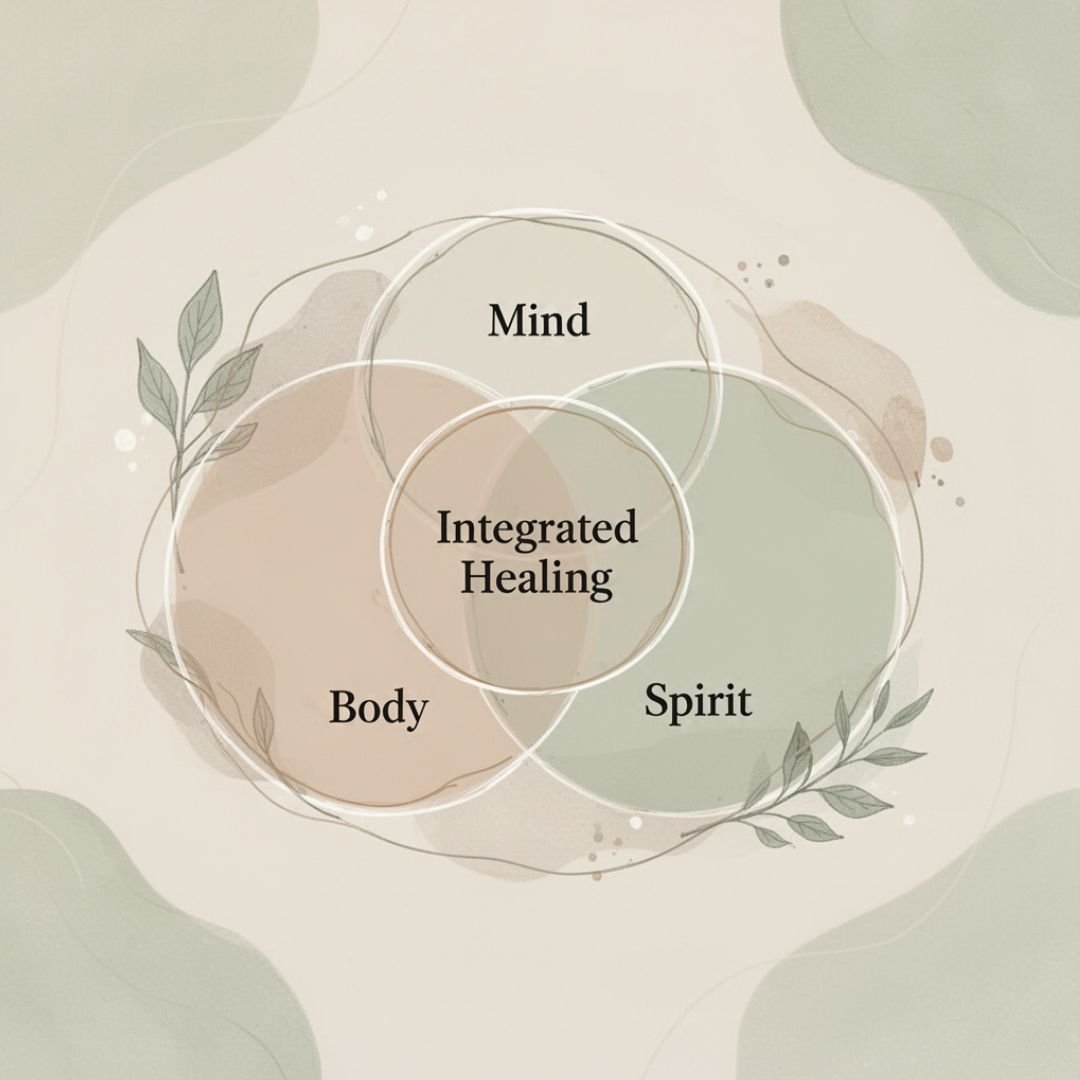
Cognitive restructuring (Mind)
Nervous system regulation (Body)
Values and purpose alignment (Spirit)
This is where real, sustainable change happens.
1. CBT for the Mind: Rewiring Thought Patterns That Fuel Anxiety
At its core, CBT helps you understand the relationship between:
Thoughts → Feelings → Behaviors
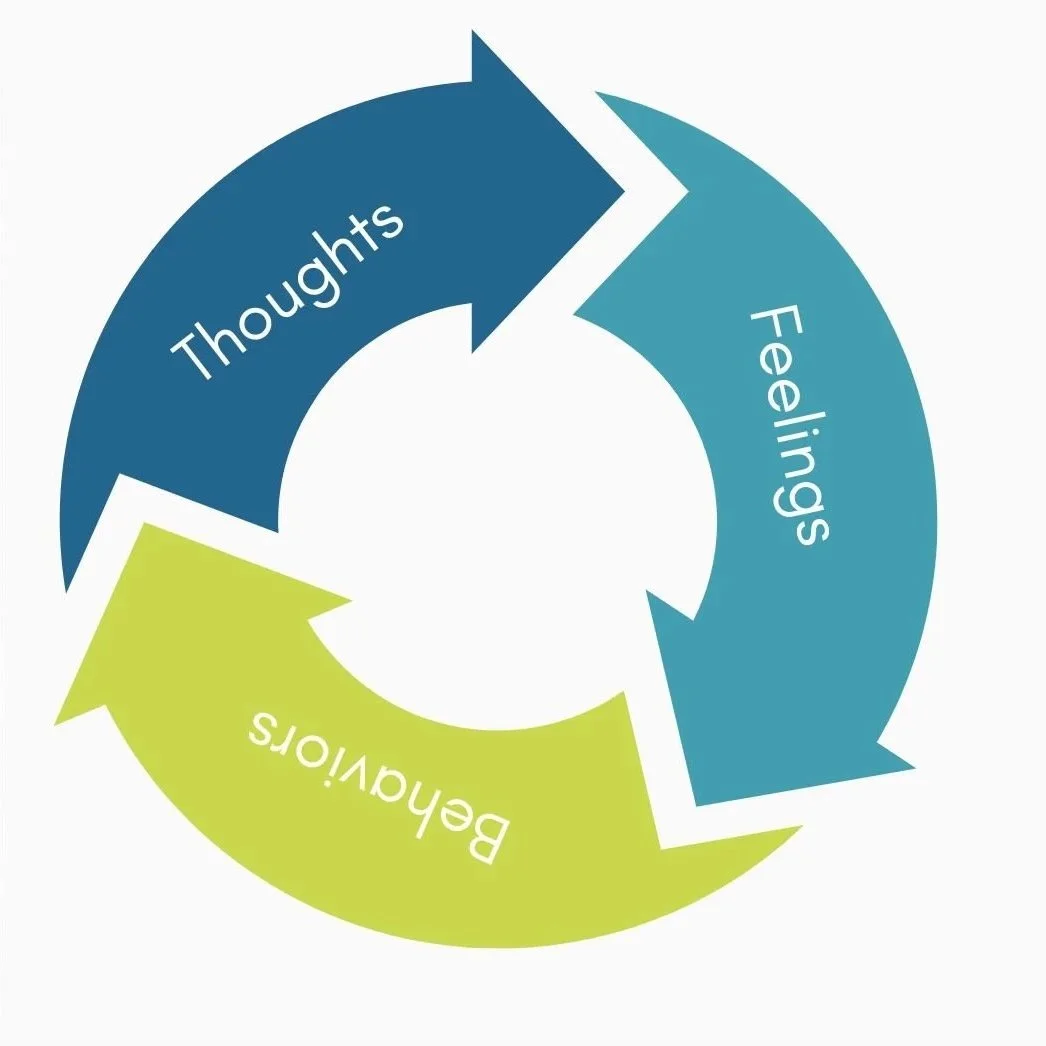
Many clients we work with experience high-functioning anxiety, often driven by:
Perfectionism
Catastrophic thinking (“What if everything goes wrong?”)
Harsh self-criticism
These are known as Automatic Negative Thoughts (ANTs).
Our Approach at BH Counseling Clinic:
We help you:
Identify your thought patterns in real-time
Challenge distorted thinking
Replace it with grounded, balanced perspectives
The outcome?
More clarity
Less emotional reactivity
Increased confidence in decision-making
2. Regulating the Body: Why CBT Alone Isn’t Enough
Here’s what most people aren’t told:
When your nervous system is dysregulated, your brain cannot think clearly.
If you’ve ever tried to “think your way out” of anxiety and failed—this is why.
Your body must feel safe before your mind can shift.
The Missing Link: Nervous System Regulation
At BH Counseling Clinic, we integrate CBT with body-based techniques that directly support the nervous system, including:
Breathwork (extended exhale techniques)
Grounding exercises
Gentle movement practices
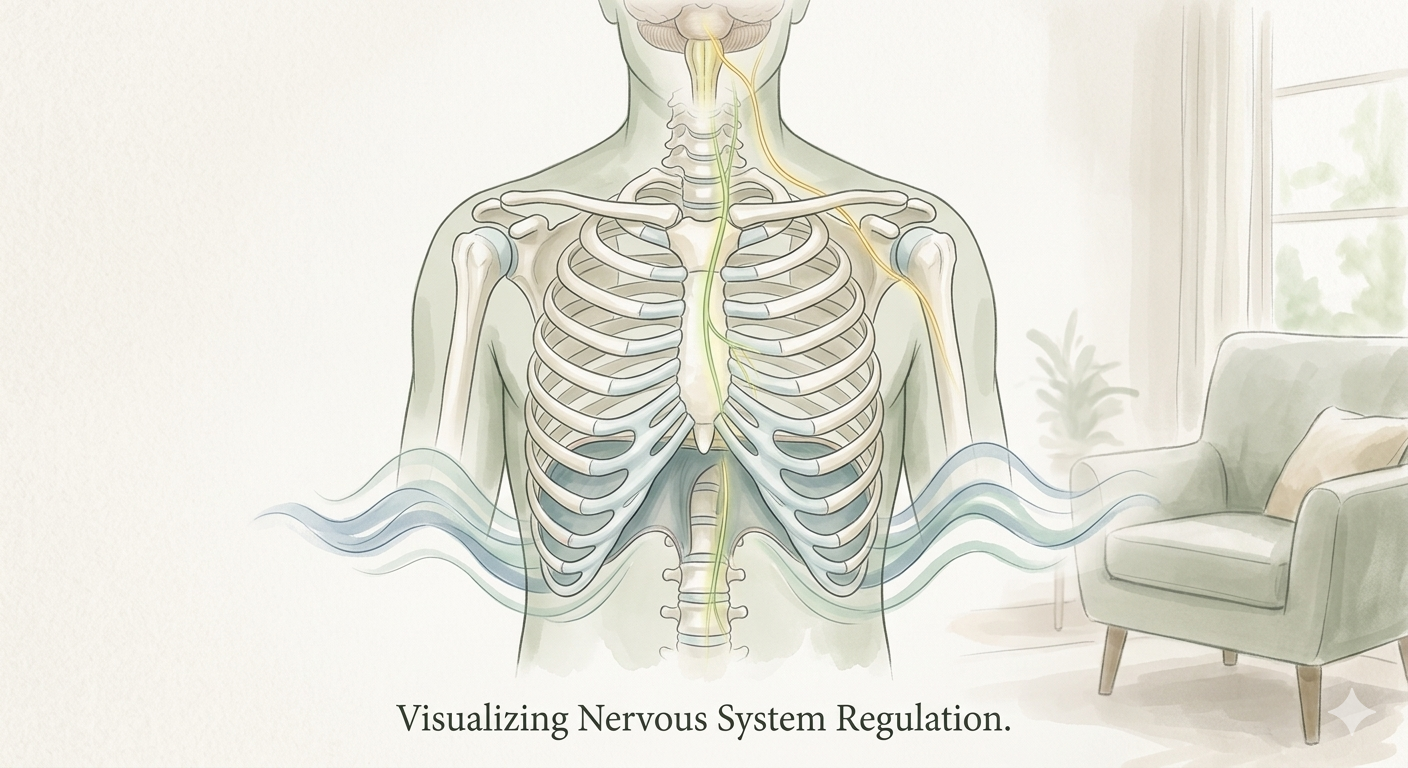
These tools activate the Vagus Nerve, helping your body shift from fight-or-flight to rest-and-digest.
Result:
Reduced anxiety intensity
Improved emotional regulation
Greater success applying CBT tools
This makes therapy practical—not just theoretical.
3. Aligning the Spirit: Creating Meaningful, Lasting Change

Behavior change without purpose doesn’t last.
That’s why we go deeper than symptom relief.
We help you answer:
“Why does this change matter to me?”
At BH Counseling Clinic, we guide clients to align their thoughts and behaviors with their core values, such as:
Peace over perfection
Authenticity over approval
Connection over control

Optional Faith-Based Integration
For clients seeking spiritual support, we incorporate values-based and faith-informed perspectives. IF you are unsure, you can read the blog answering “Do I have to be Religious to Work with a Faith-Based Therapist in Arkansas?”
Example:
Instead of → “I’m failing because I feel anxious”
We reframe → “Anxiety is a human experience, not a reflection of my worth.”
This reduces shame and builds internal stability rooted in identity—not performance.
Why Clients Choose BH Counseling Clinic in Little Rock
We are not a one-size-fits-all therapy practice.
We are a private-pay, high-touch counseling clinic serving adults, couples, and families in Little Rock who want:
Personalized, client-led therapy
Holistic care (mind + body + spirit)
Real tools—not surface-level conversations
Flexible, accessible support without insurance limitations
Ready to Experience Therapy That Actually Works?
If you’re tired of:
Overthinking everything
Feeling stuck despite “doing the work”
Managing symptoms instead of truly healing
It’s time for a different approach.
Holistic CBT at BH Counseling Clinic helps you:
✔ Regulate your nervous system
✔ Rewire limiting thought patterns
✔ Build a life aligned with your values

Book Your Free 15-Minute Consultation Today
Start using your mind as an ally—not something you have to fight.
References
Beck, J. S. (2011). Cognitive Behavior Therapy: Basics and Beyond (2nd ed.). Guilford Press.
Hayes, S. C., Strosahl, K. D., & Wilson, K. G. (2011). Acceptance and Commitment Therapy: The Process and Practice of Mindful Change (2nd ed.). Guilford Press.
Porges, S. W. (2011). The Polyvagal Theory: Neurophysiological Foundations of Emotions, Attachment, Communication, and Self-regulation. W. W. Norton & Company.

How to Build a Life Transition Toolkit for Unexpected Change
Unexpected changes (moving, job loss, parenthood) call for a “life transition toolkit.” Essential elements include mindfulness, structured routines, social support, professional counseling, and spiritual resources for those who desire them. Little Rock’s supportive community ensures you’re never alone in the face of transition.

An unexpected change in health throws your entire world into question.
Life transitions aren't always predictable. One day, you might be settled in your career or relationship, and the next, a job loss, a sudden relocation, or an unexpected change in health throws your entire world into question.
When the ground shifts beneath your feet, the stress is acute. It’s an emotional and physical shock that requires more than just hoping for the best. It requires a dedicated set of resources—a Life Transition Toolkit—to help you stabilize, process the shock, and ultimately, grow stronger.
As a counselor who specializes in guiding clients through these unpredictable shifts, here are the five essential elements we help our clients build at BH Counseling Clinic in Little Rock, AR.
1. The Mindfulness Anchor: Stopping the Emotional Spiral
When change is unexpected, the mind often spirals into "what-if" scenarios or replay loops of the past. Your first essential tool is an anchor to the present moment.
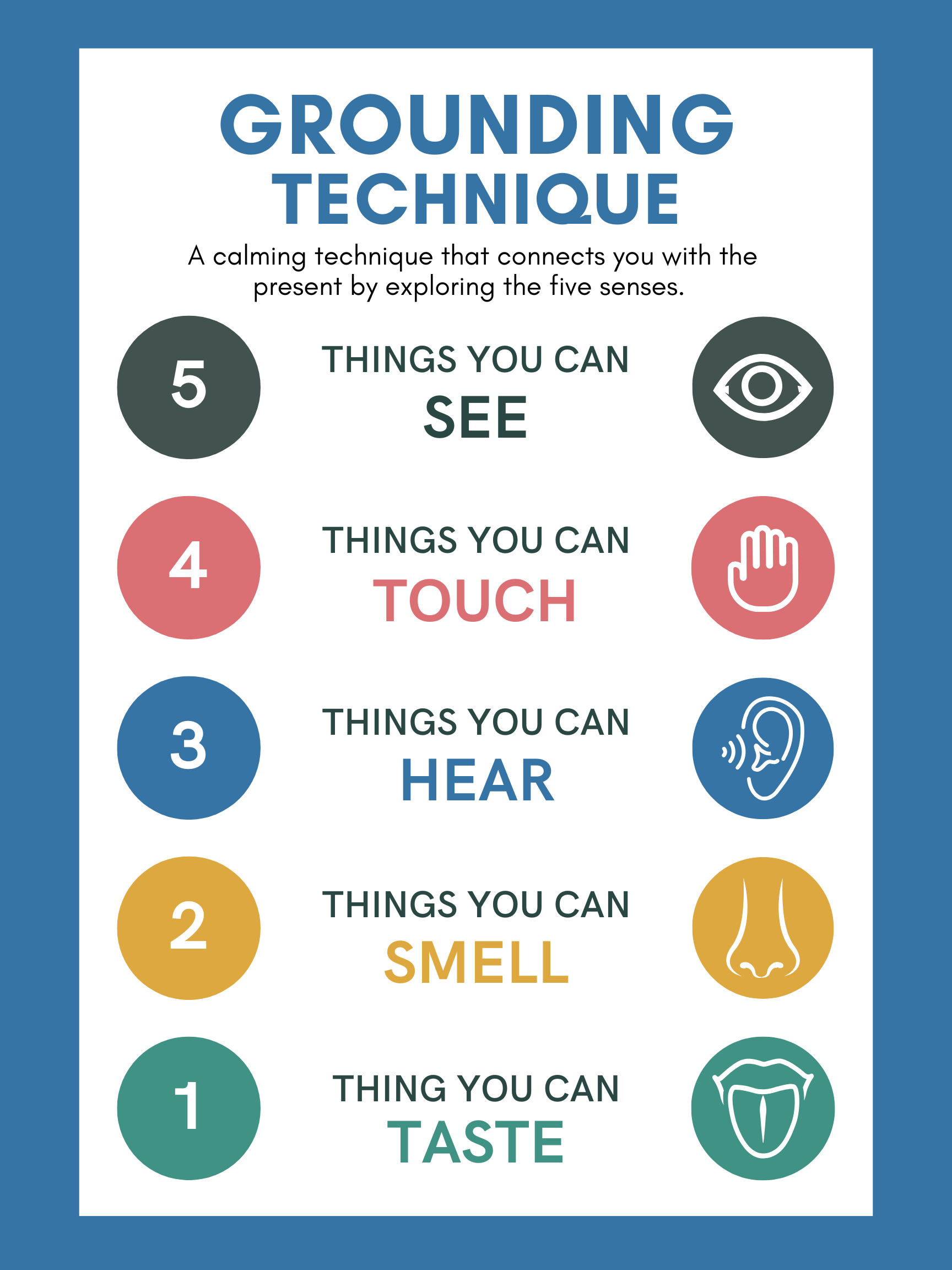
When anxiety spikes, ask yourself: What five things can I see, four things I can touch, three things I can hear?…
Mindfulness: This isn't just meditation; it's the simple act of noticing. When anxiety spikes, ask yourself: What five things can I see, four things I can touch, three things I can hear?
Structured Routine: The unexpected change likely shattered your old daily routine. Build a new, non-negotiable mini-routine (e.g., wake up at the same time, take a 10-minute walk). Routine acts as a container for chaos and grounds your mind.
2. The Relational Compass: Accessing Social Support
Isolation is the enemy of transition. When things are tough, the instinct is often to withdraw, but connection is vital for resilience.
Trusted Connections: Identify 2-3 trusted friends or family members who listen without trying to "fix" you. Define what you need from them (e.g., "I just need to vent, not advice").
The Little Rock Community: Utilize the supportive community here. Whether it's joining a hobby group or engaging with local services, actively seek out places where you feel seen. This is particularly crucial for couples or families where one partner is under acute stress.

3. The Stability Tool: Financial and Logistical Clarity

Financial stress and logistical uncertainty significantly amplify emotional pain. Building a toolkit requires addressing the practical reality of the change.
Clarity over Control: Focus on controlling the controllable. Instead of worrying about the job market, focus on updating your resume. Instead of worrying about the move, focus on the first three boxes you need to pack.
Boundary Setting: If the transition involves divorce or family conflict (our specialty in MFT), establish strong communication and emotional boundaries to protect your energy.
4. The Spiritual Resource (Optional but Powerful)
For clients who desire it, integrating spiritual resources can provide profound meaning and hope during crisis.
Anchor of Purpose: We guide you toward reconnecting with your core beliefs, faith tradition, or personal values. This acts as an anchor when everything else feels adrift.
Finding Meaning: If you choose this path, we explore how this unexpected change might ultimately lead to growth, not just suffering. This practice transforms the burden of the past into hope for the future.
5. Professional Counseling: The Expert Guide
When you face a complex financial problem, you hire a consultant. When you face a complex emotional transition, you hire a counselor.
Counseling acts as the final, most essential tool in your toolkit:
Accountability: We hold the space and keep you accountable to your new routines and goals.
Expert Insight: We provide objective feedback and therapeutic techniques (like Narrative Therapy) to help you re-write the story of the unexpected event, changing it from a disaster to a launchpad.
Don't navigate the stress of the unexpected alone. BH Counseling Clinic is here to serve the Little Rock communitywith holistic, accessible, client-led therapy focused on building resilience after life's unexpected shifts.
Ready to start building your Life Transition Toolkit? Book your free 15-minute consultation today via the link below.

The "Good" Change Paradox: When Positive Life Events Still Cause Anxiety
Even positive events—graduation, new jobs, engagements—can trigger anxiety. This paradox often stems from heightened expectations, loss of routine, or fear of the unknown. Counseling in Little Rock can help you process gratitude alongside anxious feelings, honoring your journey and supporting both achievement and emotional wellbeing.

You just got the promotion, accepted the marriage proposal, or moved into your dream apartment. You should be ecstatic. Yet, beneath the gratitude and excitement, a knot of anxiety persists—you might feel irritable, restless, or inexplicably overwhelmed.
This is the "Good" Change Paradox, and it is perfectly normal.
As a counselor specializing in navigating life transitions, I see this conflict often in the Little Rock community. We've been taught that positive outcomes equal pure happiness, but major shifts—even desirable ones—are fundamentally disruptive. They strip away your comfort zone and introduce a profound fear of the unknown.
At BH Counseling Clinic, we offer a non-judgmental space to process both the gratitude and the anxiety, helping you find emotional wellness alongside your achievements.
1. The Loss of the "What If" Dream
One of the deepest sources of anxiety in positive change is the loss of the fantasy.
Before the achievement (the wedding, the job, the move), you had a perfect vision of it. Once the event occurs, you are suddenly faced with the real, imperfect reality. The dream is gone, and you must grieve the loss of the infinite possibilities it represented.
Example: The excitement of an engagement is quickly replaced by the stress of wedding planning and the daunting commitment to a lifetime with one person.
The Emotional Toll: This sense of loss, even amidst joy, can lead to deep-seated guilt: "I should be happy, so why am I anxious?" This guilt amplifies the stress.
2. The Threat to Your Emotional Baseline
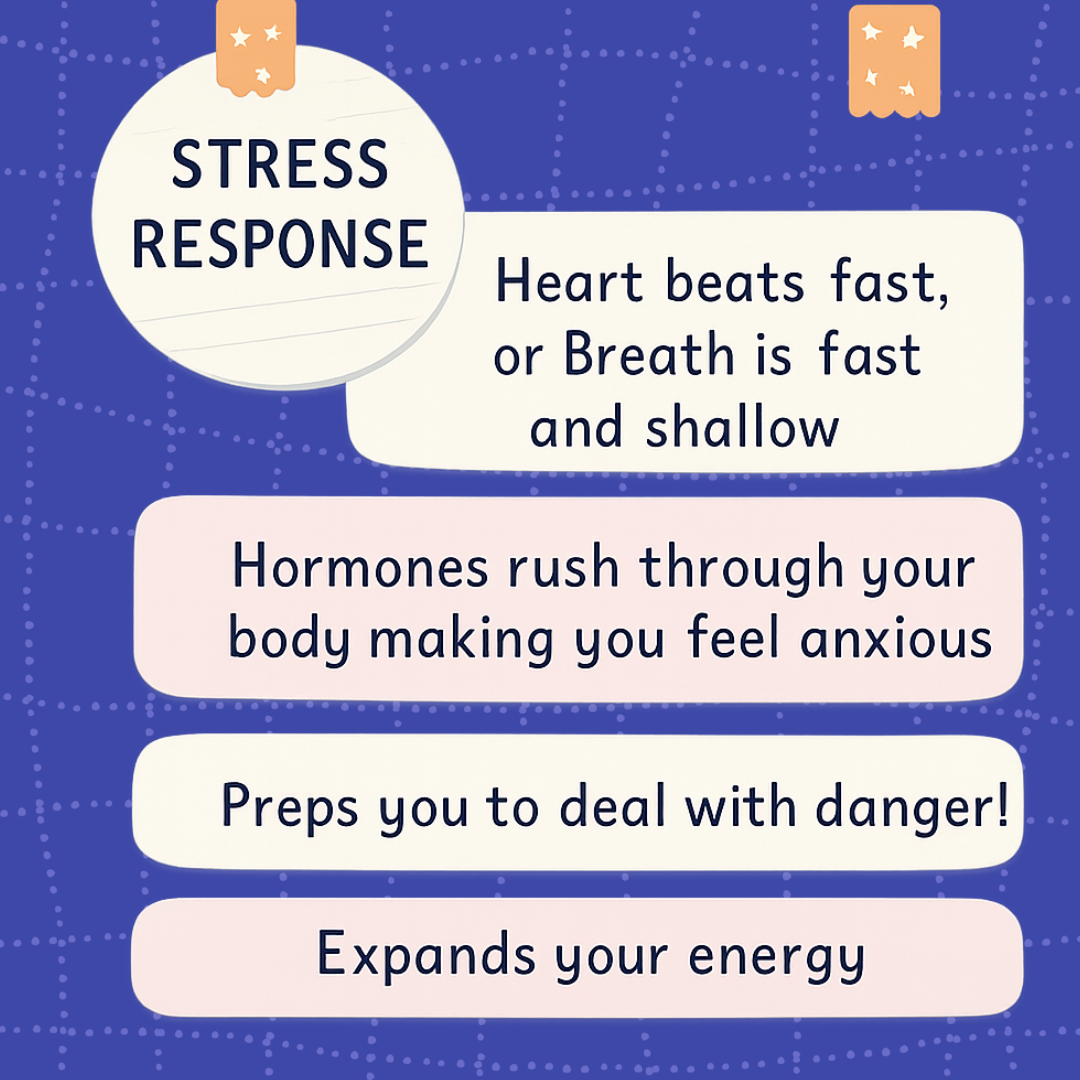
Your emotional self is regulated by routine and familiarity. A major change, even a positive one, requires a complete shift in your emotional "homeostasis."
Loss of Routine and Identity: A new job means losing the comfortable routine of the old one; a marriage means losing the identity of being single. Your brain interprets this profound change as a threat, triggering a fight-or-flight response (Source: General Adaptation Syndrome/Hans Selye).
Elevated Expectations: Positive changes often come with an increase in external pressure. You feel the need to perform at a higher level in your new role, be the "perfect" partner, or maintain the image of success, leading to high-functioning anxiety.
3. Integrating Gratitude with Grounding
Our holistic approach is perfectly suited for managing this paradox because it allows us to honor both emotions simultaneously. You don't have to choose between being grateful and being anxious.
Mind-Body Processing: We use mindfulness and cognitive behavioral tools to interrupt the anxious thought patterns ("What if I fail the new job?") while grounding the body to dissipate the physical stress.
Spiritual Clarity (Optional): If you desire it, we can explore how to connect this new achievement to your core values and purpose. We help you find gratitude without turning it into a burdensome obligation.
4. Supporting the System: A Marriage & Family Lens
Positive change for one person often creates stress for the entire family system. A promotion that requires more travel or a relocation to Little Rock for a new opportunity impacts a spouse and children.
As Marriage and Family Therapists, we ensure that:
Communication Stays Open: The emotional needs of all parties are addressed, not just the logistical demands of the change.
Support is Mutual: We help couples or families process the anxiety together, strengthening the relationship system during the successful transition.
Your Journey to Honoring Both Achievement and Wellness
If you're in Little Rock, AR, and struggling to enjoy your achievements due to the weight of anxiety, please know that you are not alone, and your feelings are valid.

BH Counseling Clinic provides the specialized, holistic, accessible therapy you need to process the anxiety that comes with success, allowing you to move forward confidently.
Don't let the paradox steal your joy. Book your free 15-minute consultation today to start finding emotional balance.

Beyond Resolutions: Crafting a Sustainable Mental Health Vision in Little Rock, AR
Trade New Year’s resolutions for a sustainable mental health vision. Discover how BH Counseling Clinic in Little Rock uses specialized LAC/LAMFT expertise to help you achieve lasting growth in 2026.

Mental Health Vision Little Rock: Moving beyond resolutions to sustainable growth in 2026. Photo by Joshua J. Cotten on Unsplash
Every January, we are bombarded with the pressure to "reset." We’re told to change our habits, our bodies, and our schedules overnight. But for many professionals and families in Little Rock, these resolutions often feel like another list of demands rather than a path to true well-being.
At BH Counseling Clinic, we advocate for a different approach: The Mental Health Vision.
Unlike resolutions—which are often rooted in a sense of "not being enough"—a vision is rooted in your core values. It’s about deciding how you want to feel and function in your life, your career, and your relationships.
Here is how we help you build a sustainable vision for 2026 through a specialized, clinical lens.
1. Moving From Shame to Values
Resolutions often fail because they are "shame-based." If you don’t hit the gym or clear your inbox, you feel like you’ve failed. A mental health vision is "values-based." We work with you to identify what truly matters—whether that is professional boundaries, a deeper emotional connection with your partner, or reduced anxiety. When your goals align with your values, growth becomes sustainable.
2. The Relational Ripple Effect (The LAMFT Advantage)
As a clinic with LAMFT (Licensed Associate Marriage and Family Therapist) expertise, we understand that you don’t live in a vacuum. Your mental health vision affects your marriage, your parenting, and your workplace. We help you look at the "system" of your life. How can your growth in 2026 improve the health of your most important relationships?
3. Prioritizing Privacy and Autonomy
Many of our Little Rock clients choose BHCC because of our Private Pay model. Starting the year with counseling shouldn't mean being tethered to a permanent medical diagnosis required by insurance companies.
Confidentiality: Your records are entirely private.
Client-Led Care: You and your therapist decide the frequency and focus of your care, not an insurance adjuster.
Investment in Self: Private pay allows for a high-quality, specialized experience focused solely on your outcomes.
4. A Holistic, Inclusive Space

Private Pay Counseling Little Rock AR: Confidential and client-led therapy for professionals and families.
We believe in treating the whole person. For those who value it, we offer a faith-informed approach that integrates spiritual wellness into clinical practice. However, our primary commitment is to provide a safe, non-judgmental environment for everyone. Whether you are seeking to integrate your faith or are looking for a purely clinical, evidence-based space, your values will always be respected here.
Building Your 2026 Toolkit
Little Rock Therapist: Building a mental health toolkit with LAC and LAMFT expertise.
Growth doesn't happen by accident; it happens through intention. This year, give yourself permission to skip the resolutions and invest in a professional partnership that supports your long-term vision.
Ready to start your 2026 journey? BH Counseling Clinic is currently accepting new clients in the Little Rock area. We offer a transparent $100 flat-rate per session, ensuring you know exactly what your investment in your health looks like from day one.
Book your free 15-minute consultation

The Stress of the "Next Step": Counseling for Big Decision-Making
Major life decisions (job, marriage, relocation) cause acute stress, especially when pressure mounts for the “right” next step. Counseling helps you process options, clarify goals, and strengthen decision-making—making it ideal for Little Rock residents facing transitions. Our practice integrates practical tools with spiritual guidance as needed, empowering you for meaningful change.

The pressure to choose the "right" path—whether it’s accepting a new job, moving to a new city, or committing to a major relationship step—is often paralyzing. It’s an anxious kind of stress where you feel caught between fear of failure and fear of regret.
As a counselor with a background in Marriage and Family Therapy, I recognize that these decisions rarely just involve you. They ripple out, affecting your relationships, your identity, and your future. That's why, at BH Counseling Clinic in Little Rock, AR, we view big decision-making not as a puzzle to be solved, but as a crucial life transition to be navigated holistically.
Here is why these "next steps" cause such acute stress and how intentional counseling can guide you to confidence.
1. The Paralysis of the "Perfect" Choice

We shift the focus from finding the "perfect" choice to finding the "most authentic" choice.
Our culture often promotes the myth of the single "perfect" choice. This leads to analysis paralysis, where you research, weigh pros and cons, and delay action because you fear making the wrong move.
The Emotional Toll: This chronic indecision depletes your emotional and mental energy, making the simple act of living feel exhausting. You're not just stressed about the decision; you're stressed about being stressed (Source: Decision Theory and Psychological Stress literature).
The BH Approach: We shift the focus from finding the "perfect" choice to finding the "most authentic" choice. We help you identify the core values you need to honor in this moment. When your decision aligns with who you truly are, the stress of perfection fades (Kahneman, 2011).
2. The Relationship Impact of Decision Stress

The goal isn't just a decision; it's a stronger relational unit navigating change together
Major life decisions often bring couples into conflict, not over the decision itself, but over the process of deciding. A career change for one partner or a potential relocation impacts the other’s stability, leading to relationship anxiety.
MFT Perspective: In Marriage and Family Therapy, we see this as a breakdown in systemic communication. We work with you (individually or as a couple) to create a shared vision, ensuring both partners feel heard, respected, and part of the solution. The goal isn't just a decision; it's a stronger relational unit navigating change together (Gottman, 2015).
3. Integrating Faith and Values for Anchor (Optional Guidance)

Our role is to support you in finding internal peace and clarity that aligns with your beliefs, without ever imposing judgment or doctrine.
For those seeking faith-based counseling, the stress of the next step often involves wrestling with questions of calling, purpose, and spiritual guidance.
We facilitate a safe space where you can:
Clarify Spiritual Guidance: Separate external pressure from genuine conviction.
Anchor Decisions in Purpose: Connect your choice to your deeper mission or values, relieving the pressure of short-term outcomes.
Our role is to support you in finding internal peace and clarity that aligns with your beliefs, without ever imposing judgment or doctrine.
4. Strengthening Your Decision-Making Muscle
Counseling helps you move from relying on anxious gut feelings to employing practical, sustainable tools for future decisions. We integrate practical tools with emotional processing:
Holistic Check-In: We use a holistic lens to assess how a potential choice impacts your mind (anxiety levels), body (sleep/energy), and spirit (sense of purpose). If a choice depletes one area, we re-evaluate.
Proactive Planning: We help you identify the inevitable roadblocks and create contingency plans, transforming the fear of the unknown into manageable steps.

Our specialized, client-led approach helps you move forward with genuine confidence.
Ready to Find Clarity for Your Next Step?
If you are a professional, young adult, or couple in Little Rock, AR, struggling with the weight of a major decision, the time for clarity is now. Our specialized, client-led approach helps you move forward with genuine confidence.
BH Counseling Clinic offers a supportive, non-judgmental space to process options, clarify goals, and empower you for meaningful change.
Don't let the pressure of the "right" choice paralyze your life. Book your free 15-minute consultation today to start finding your clear path forward.
References
Gottman, J. M., & Silver, N. (2015). The Seven Principles for Making Marriage Work: A Practical Guide from the Country’s Foremost Relationship Expert. Harmony.
Kahneman, D. (2011). Thinking, Fast and Slow. Farrar, Straus and Giroux.

Feeling Stuck? Quarter-Life Crisis Counseling In Little Rock, AR
Feeling stuck in your 20s or 30s? Feeling stuck in early adulthood—what some call a quarter-life crisis—often involves career uncertainty, relationship challenges, and financial pressures. The roots include societal expectations, social media comparisons, and lack of clear direction. BH Counseling Clinic in Little Rock, AR offers holistic, faith-informed counseling for quarter-life crisis and life transitions.

“Quarter-life crisis is not the end of your story—it is the beginning of a new chapter of growth.”
Feeling stuck in your 20s or 30s does not mean you are failing at adulthood—it often means you are in a major life transition that needs support, not shame. At BH Counseling Clinic in Little Rock, AR, quarter-life crisis paralysis is viewed as a sign that you are ready for a different kind of growth: emotional, relational, and spiritual.
Quarter-Life Crisis As A Life Transition
Many young adults in Central Arkansas quietly wonder, “Is this really the life I want?” while still showing up to work, church, and family events looking “fine.” Underneath, there may be anxiety, burnout, or grief over a job, relationship, or identity that no longer fits who you are becoming.
At BH Counseling Clinic, quarter-life crisis is understood as a life transition—similar to other big changes like starting college, getting married, growing apart, or starting over. The focus is on helping you navigate these turning points with clarity, confidence, and compassion so you can grow, not just cope.
What Quarter-Life Crisis Paralysis Looks Like
Quarter-life crisis paralysis is more than feeling “off.” It often looks like:
Feeling stuck in your career, unsure whether to stay, leave, or start over
High-functioning anxiety, constant comparison, or fear of making the “wrong” decision
Restlessness, emotional numbness, or loss of motivation
Relationship strain, withdrawal, or feeling disconnected from friends and family
Questioning your purpose, values, or faith
These are the same kinds of transitions and internal struggles many clients bring into therapy at BH Counseling Clinic when they feel overwhelmed but cannot quite explain why. You are not alone, and you do not have to untangle it all by yourself.
Why You Feel Stuck: Root Causes
Feeling stuck in early adulthood is usually layered and connected to multiple pressures at once. Common roots include:
Societal expectations: Pressure to hit certain milestones—career, marriage, family, finances—on a specific timeline
Social media comparison: Constant highlight reels that make it seem like everyone else is ahead
Career or relationship misalignment: Realizing your job, major, or relationship no longer fits your values or who you are becoming
Loss of direction or purpose: Old routines and goals do not fit anymore, but the new path is not clear yet
Limited support: Moving, breakups, faith shifts, or changing communities that leave you feeling more alone
These are the same kinds of life transitions discussed in our “Therapy for Life Transitions” blog—times when old ways of coping stop working and you need new tools and support to move forward.
How Counseling At BH Counseling Clinic Helps You Get Unstuck
BH Counseling Clinic offers affordable, holistic counseling that looks at your mind, body, and spirit so growth is integrated and personal, not one-dimensional. Sessions are $100 per 45–55 minutes, private pay, with superbills available for possible insurance reimbursement, keeping the process simple and accessible.
In therapy, you will find a safe, client-led space to:
Explore your thoughts, emotions, and patterns without judgment
Clarify your values and redefine what “success” looks like for you now
Build coping skills for anxiety, stress, and decision-making
Strengthen or repair relationships affected by this season
Integrate faith and spiritual questions if you desire a faith-informed approach
Evidence-based approaches such as Cognitive Behavioral Therapy, Emotion-Focused Therapy, Person-Centered Therapy, and Narrative Therapy are tailored to your unique story and goals.
The BH 3-Step Journey For Quarter-Life Crisis
Your path at BH Counseling Clinic follows the same BH 3-Step Journey used across the practice, applied specifically to feeling stuck in life.
Step 1: Get Real (Free Consultation)
This begins with a brief, free consultation to talk about what you are navigating and see whether BH Counseling Clinic is the right fit. You can share what feels confusing or heavy right now—career stress, relationship changes, identity shifts—without pressure to have all the words figured out.
“Feeling stuck in your 20s or 30s? Start with a free ‘Get Real’ consultation to talk about what you are navigating and explore if counseling is right for you.”
Step 2: Get Grounded (Holistic Sessions)
In ongoing sessions, you and your counselor work together to understand what is happening beneath the surface of your quarter-life crisis. You will explore your story, your relationships, your beliefs, and your goals through a client-led, strength-based lens, integrating mind, body, and spirit.
You may:
Learn tools for managing anxiety, stress, and overthinking
Practice new communication skills for your relationships
Identify patterns that keep you stuck and experiment with new choices
Receive between-session practices like journaling, breathing, or self-check-ins
Step 3: Get Growing (Thrive)
As you gain clarity and skills, the focus turns to living out your growth—whether that means making a career move, changing relationship patterns, setting boundaries, or pursuing new opportunities. Over time, sessions may become less frequent, with periodic check-ins to help you maintain progress without feeling like you have to start over.
“Ready to move from surviving to growing? Learn more about what to expect in therapy at BH Counseling Clinic and start your BH 3-Step Journey today.”
Individual, Marriage, And Family Support In Quarter-Life Crisis
Quarter-life crisis rarely stays contained to one area of life. It can affect work, marriage, dating, parenting, friendships, and faith all at once. As a Licensed Associate Counselor and Licensed Associate Marriage and Family Therapist, with a background in ministry, business, and the legal field, BH Counseling Clinic understands how life transitions show up both individually and relationally.
Therapy can support:
Individuals navigating career changes, burnout, identity shifts, or faith questions
Couples wrestling with communication, expectations, growing together, or growing apart
Families adjusting to moves, blended family dynamics, or changes in roles and responsibilities
Sessions are client-led, culturally sensitive, and faith-informed by request, honoring your story, background, and spiritual framework.

Dating in Little Rock: Managing Anxiety & Setting Healthy Boundaries with Therapy
Dating in Central Arkansas can be stressful. Get practical tips for managing dating anxiety and learn how to set boundaries that lead to health, lasting relationships. Free Consultation.

Dating can feel like a full-time, high-stress job—especially in a city like Little Rock, where the dating scene often feels simultaneously too small and too vast.
Dating with Intention
Dating can feel like a full-time, high-stress job—especially in a city like Little Rock, where the dating scene often feels simultaneously too small and too vast. The pressure to meet "The One," the anxiety of dating apps, and the inevitable fear of rejection can leave you feeling drained before you even order your coffee.
As a counselor specializing in relationship issues, I view dating not as a hunt, but as a journey in self-awareness and healthy boundaries. If your dating life feels like a source of constant anxiety, here are the core principles we focus on at BH Counseling Clinic.
1. Ditch the "Search for the One" Mindset

Therapy Insight: When you focus on your own core values, you stop seeking validation and start observing compatibility. This is less stressful and far more effective
The anxiety often stems from treating dating like a high-stakes interview where you are desperate for approval. This hyper-focus on the outcome blinds you to the red flags and drains your energy. Shift your purpose: View each date as an opportunity to practice boundaries and clarify your values.
• Therapy Insight: When you focus on your own core values, you stop seeking validation and start observing compatibility. This is less stressful and far more effective.
2. Identifying Your Core Dating Anxiety
Is your anxiety about the date itself, or is it a deeper fear of rejection, commitment, or vulnerability?
• Little Rock Application: Are you anxious about bumping into a bad date at the Big Dam Bridge? Or are you anxious about truly letting someone see you? We use Cognitive Behavioral Techniques to challenge the anxious thoughts so you can show up genuinely (Source: APA Guidelines for CBT).
3. Setting Your Non-Negotiable Boundaries

When you decide on your boundaries before the date, you reduce anxiety because you have a clear plan for your behavior, regardless of what the other person does.
In a transition phase, boundaries are your bedrock. They are the strongest tool you have for managing dating anxiety.
• The Little Rock Dating Boundary Checklist:
• Time: I will only go on one first date per week.
• Emotional: I will not share deep trauma on the first two dates.
• Logistical: I will communicate clearly about second dates within 48 hours.
• Values: I will not compromise on my core values (faith, career, family, etc.).
When you decide on your boundaries before the date, you reduce anxiety because you have a clear plan for your behavior, regardless of what the other person does.
Take the Next Step: Date with Confidence

If dating in Central Arkansas feels draining, therapy can help you clarify your boundaries and build a strong sense of self-worth that lasts long after the date is over.
At BH Counseling Clinic, we offer holistic, client-led support for relationship stress, whether you're dating, partnered, or looking to navigate a breakup. We are conveniently located in Little Rock, AR, and serve clients virtually across the state.
Ready to shift from dating stress to dating success? Book your free 15-minute consultation today.

Processing Grief After a Relationship Ends: Holistic Breakup Support in Little Rock
A breakup is a real loss. Learn why "just moving on" doesn't work and how BH Counseling Clinic's holistic and client-led approach helps you process relational grief and reclaim your identity.
But as a counselor specializing in relationship dynamics and life transitions, I can tell you the truth: A breakup is a form of grief. You are mourning not just the person, but the future you imagined, the shared identity, and the stability that defined your life.
At BH Counseling Clinic in Little Rock, we understand this journey is complex. We offer a safe, client-led space to navigate this loss holistically—addressing your mind, body, and spirit.

The pain after a significant relationship ends is often minimized by clichés: "There are plenty of fish in the sea," or "You just need to move on."
But as a counselor specializing in relationship dynamics and life transitions, I can tell you the truth: A breakup is a form of grief. You are mourning not just the person, but the future you imagined, the shared identity, and the stability that defined your life.
At BH Counseling Clinic in Little Rock, we understand this journey is complex. We offer a safe, client-led space to navigate this loss holistically—addressing your mind, body, and spirit.
Here is how you can move through your grief, rather than just try to move on.

1. Acknowledge the Loss: Grief Has No Timeline
We are often pressured to "get over it" quickly, especially if the breakup was mutual or long overdue. But grief doesn't follow a calendar.
• The Loss of Routine: You are losing the simple structure—who you texted when you woke up, who you shared dinner with. That void creates real anxiety.
• The Loss of Identity: Just like new parenthood or a job loss, a breakup creates an identity crisis. You must redefine yourself from "one half of a couple" to a whole, independent person. This process is exhausting.
Our Holistic Take: Give yourself permission to feel it all. Instead of fighting the sadness, try naming it. "I feel deep sadness for the loss of my best friend," or "I feel anxious about dating again." This small act of acknowledgment is the first step in honest emotional healing.

2. Stop the Spiritual Bargaining (Faith-Based Healing)
For clients seeking faith-based healing (an optional, client-led offering at BH Counseling Clinic), a breakup can create a spiritual crisis. You might find yourself locked in bargaining: trying to earn back the relationship through perfection or desperately seeking a sign that your suffering has purpose.
• The Core Question: Instead of asking, "Why is this happening to me?", we guide you toward asking, "What is this moment revealing about me, and how can I integrate my faith into this healing process?"
• Finding Anchor: We focus on grounding your identity in what is constant—your core values and spiritual foundation—rather than in a transient relationship. This provides a deep sense of peace during emotional upheaval.

3. Reclaim Your Body: Processing Grief Physically
Grief is stored physically. You may be sleeping poorly, eating erratically, feeling muscle tension, or having an upset stomach. Your body is holding onto the trauma of the ending.
• Self-Care is Not a Cliché: It’s a therapeutic tool. Instead of forcing yourself into a "hot girl summer," start small:
• Movement: 15 minutes of gentle walking (try the Big Dam Bridge for fresh air!).

• Rest: Prioritize one night of full, uninterrupted sleep this week.
• Nourishment: Focus on simple, consistent meals.
• The Goal: You cannot think your way out of physical exhaustion. By tending to your body, you create the bandwidth needed for your mind to process the emotion.
4. Community and Boundaries: The Path to Rediscovery

While isolation feels easiest, reconnecting with your community is vital. But this requires boundaries to protect your healing space.
• Connect with Trusted Friends: Choose friends who listen without judgment and don't push you to "get back out there."
• Rediscover Joy: What did you love to do before this relationship? Whether it's reading, hiking, or diving back into a hobby, intentionally schedule time for activities that remind you who you are outside of a partnership.
Ready to Move Through Your Grief?
Processing a breakup is hard work, but you don't have to navigate this overwhelming life transition alone.
At BH Counseling Clinic in Little Rock, AR, we provide specialized, accessible, holistic counseling to help you process relational grief, redefine your identity, and set healthy boundaries for your future. Our client-led approach means we meet you exactly where you are.
Your journey to healing starts when you give yourself permission to be real.
Book your free 15-minute consultation today via the link below. Let's create a clear roadmap for your next chapter.

New Parenthood Identity Crisis: Marriage & Family Counseling in Little Rock
New parenthood in your family—and especially in Little Rock—can be joyful yet overwhelming. Common signs of an identity crisis include feeling lost, disconnected from your pre-parent self, and mourning the loss of spontaneity. Expert strategies include positive self-talk, reconnecting with personal interests, and seeking counseling if needed. Faith-based counseling may help you rediscover meaning and balance during this transformative life season.

Who Am I Now?
The arrival of a baby is often called the happiest moment of your life. While the joy is real, the emotional reality is that it is also a massive, overwhelming life transition—and it can trigger an identity crisis for both parents.
This identity crisis is a core challenge in Marriage and Family Therapy. The person you were before your baby arrived—the professional, the independent friend, the spontaneous partner—is suddenly gone, replaced by a 24/7 care provider.
The Crisis: The Loss of the 'Old Self'
New parenthood doesn't just add a role; it often deletes several others. This loss is a form of grief that is rarely acknowledged:
• Grief for Freedom: The loss of autonomy and the ability to make simple decisions (like when to shower) without complex planning.
• Grief for Career Identity: For the primary caregiver, the shift away from professional validation to the invisible labor of parenting can be jarring.
• Grief for the Partnership: The sudden shift from being partners to "co-managers" of a child. Intimacy, communication, and shared interests often take a backseat, leading to conflict.

The sudden shift from being partners to "co-managers" of a child. Intimacy, communication, and shared interests often take a backseat, leading to conflict.
The Emotional Toll on the Couple
The crisis is compounded when the shift is uneven, leading to two distinct challenges we frequently address in Little Rock couples counseling:
1. The Resentment Gap: The primary caregiver resents the working partner's perceived "freedom," while the working partner may feel resentful of being sidelined or reduced to a provider.
2. The Communication Breakdown: Exhaustion reduces communication to logistics (who handles the night feed, who stocks the diapers). Emotional connection and understanding fade, making the relationship feel like a business arrangement.
Reclaiming Your Identity, Together
As a Marriage and Family Counselor, I encourage parents to create space for their "Old Self" and "New Self" to coexist.
• Acknowledge the Grief: Allow yourself (and your partner) to genuinely mourn the loss of the old life. This creates compassion instead of resentment.

Shift focus from logistics back to connection.
• Schedule "Couple Time" That Matters: Shift focus from logistics back to connection. Can you dedicate 15 minutes a day for non-baby conversation?
• Practice Holistic Self-Compassion: We often hold new parents to an impossible standard. Our holistic approach emphasizes finding small, sustainable ways to care for your mind (letting go of the need for perfection) and body (getting 15 minutes of sunlight a day).
If the stress of new parenthood is straining your relationship or leaving you wondering who you are now, it’s a perfect time to seek support. BH Counseling Clinic provides a safe, supportive space for individuals and couples in Little Rock, AR, navigating this immense transition.
Don't navigate this alone. Contact us today to schedule your free consultation using the request appointment button below.

Is a Career Change in Your 30s Causing Anxiety? | Little Rock Therapy for Loss of Professional Identity
Facing a career change in your 30s? BH Counseling Clinic specializes in helping professionals in Little Rock manage anxiety, grief, and family pressure during this major transition.
The path to change can feel uncertain, but you don't have to walk it alone. Find clarity with BH Counseling Clinic.
Yes, the emotional toll is real. Losing your professional identity can trigger intense anxiety, grief, and self-doubt. Making a major career change in your 30s is a life-defining transition that brings not only logistical and financial questions but also a profound emotional journey. Many working professionals in Little Rock, Arkansas, find themselves grappling with complex feelings—uncertainty about the future, grief over leaving a former professional role, and pressure to succeed quickly in a new arena are common experiences.
At BH Counseling Clinic, we specialize in guiding adults through this turbulence, helping them find clarity and build resilience for the next chapter.
Navigating the Emotional Landscape of Career Transition
The transition requires more than just updating your resume; it requires addressing deep feelings tied to your identity.

That feeling of losing your professional identity? It's a real form of grief. We help you process the letting go and transform your mindset so you can accomplish your goals.
1. The Grief of Losing Professional Identity
Letting go of a long-held career can evoke a real sense of grief, similar to ending a significant relationship. Much of our self-esteem and social status is tied to what we do, so a career shift often feels like losing a part of ourselves. BH Counseling Clinic provides a non-judgmental space to process this loss.
2. Doubt, Comparison, and Regret
Stepping away from a familiar role can trigger doubt and regret, especially when seeing peers progressing in their established careers. Moments of envy are normal. It’s important to recognize these emotions without judgment—a process we support through evidence-based therapy focused on self-compassion.
3. Family and Financial Pressures
In your 30s, you may be managing family responsibilities, mortgage payments, and external expectations. These pressures can intensify the anxiety that comes with uncertain income or new demands. Addressing the relationship and family dynamics tied to your career change is a crucial part of our work here in Little Rock.
Practical Strategies for Managing Emotional Stress
While professional support is essential, integrating these daily strategies can help you maintain stability during the transition:
Build Emotional Awareness: Journaling about your emotions, tracking mood changes, and acknowledging grief are key steps toward healthy processing.
Maintain Structure and Routine: A clear structure in daily life—regular times for wake-up, meals, and exercise—helps maintain purpose through times of ambiguity.
Practice Self-Compassion: Focus on your reasons for seeking change and honor your resilience. Treat yourself with the same kindness you would offer a friend.
The Power of Professional Counseling at BH Counseling Clinic
Don't go through this transition alone. The fastest way through uncertainty is with dedicated, expert support. Local counselors at BH Counseling Clinic are equipped to help you leverage your strengths and values to ground your next steps.
We specialize in helping professionals in Little Rock to:
Clarify Direction: Define your goals and values for your new career path.
Address Anxiety: Utilize evidence-based therapies (like CBT or EMDR) to manage career-related fears, anxieties, and self-doubt.
Process Grief: Work through the emotional labor of letting go of your former professional identity.
Integrate Beliefs: Draw on your spiritual beliefs (if desired) to ensure your next career chapter aligns with your core values.
Change is difficult, but it leads to growth. Professional support in Little Rock can help you move through the emotional turbulence of career transition and into a more fulfilling chapter of your career story.
Ready to trade self-doubt for clarity?
Schedule your confidential, no-pressure consultation with BH Counseling Clinic today.

5 Signs You're Experiencing Post-Graduate Anxiety (and How to Handle It)
Feeling lost after graduation? Learn the 5 common signs of post-grad anxiety and how BH Counseling Clinic's holistic approach can help you find your footing. Free consults available.
Post-graduate anxiety can surface when the excitement of graduation fades and uncertainty about the future emerges.
The Post: Finding Your Footing in Little Rock

The confetti has settled, the cap and gown are put away, and the diploma is on the wall. For many young adults in Little Rock, that huge wave of relief is quickly replaced by a wave of anxiety. This is a normal, yet often paralyzing, reaction to losing the structure of academia and facing the "real world." It’s often called Post-Graduate Anxiety.
As a counselor who specializes in life transitions, I see this regularly.
Here are five signs this anxiety is impacting your life and how you can reclaim your footing.
1. The Paralysis of Infinite Choice

During college, your next steps were always clear: a course to take, a paper to write, a deadline to hit. Now? You might have too many options (jobs, cities, career paths) or feel like you have none at all. This lack of external structure leads to decision fatigue, causing you to feel paralyzed and unable to commit to anything—a hallmark of transition anxiety.
2. "Future-Faking" and Social Isolation

You scroll social media and everyone is thriving: landing the dream job, traveling the world, getting engaged. You start "future-faking," presenting an image of success while privately feeling inadequate. This comparison trap leads to withdrawing from friends and family because you feel ashamed that your reality doesn't match the highlight reel.
3. The Sudden Lack of Identity

If your identity was tied to your degree, your athletic team, or your campus leadership role, that structure is gone. You might find yourself asking, "Who am I now?" This existential stress is a form of grief for your past self. We see this often in new graduates who feel a profound loss of purpose.
4. Physical Symptoms and Disrupted Routine

Anxiety is holistic—it doesn't just stay in your mind. You may be experiencing unexplained headaches, poor sleep, digestive issues, or a constant feeling of low-grade tension. This is your body holding the stress of the transition.
5. Hyper-Fixation on "Catching Up"

You feel a constant, self-imposed pressure to be further along than you are. You worry you should be earning more, saving more, or traveling more. This hyper-fixation often comes with deep feelings of guilt for enjoying downtime.
Holistic Steps to Reclaim Your Ground
At BH Counseling Clinic, we work with you to move from paralyzed to purposeful. Our holistic approach ensures we address all parts of you:

• Mind: Challenge the "shoulds" and comparison traps fueling the anxiety.
• Body: Introduce simple breathwork or movement to release physical tension.
• Spirit (Optional): Explore your core values and belief systems to anchor your new identity.
Ready to move from overwhelmed to grounded?

If you are a young adult in Little Rock struggling with this transition, we offer accessible, client-led therapy focused on building resilience. Book your free 15-minute consultation today. Let's talk about the specific roadmap for your next chapter.

Is Private-Pay Therapy Worth the Investment? (2025 Guide) | 5 Key Benefits of Out-of-Pocket Counseling
Concerned about therapy costs? Discover the unique benefits of private-pay therapy, from privacy to personalized care, and why investing in your mental well-being offers lasting returns with BHCounselingClinic.com in Arkansas.
Is private-pay therapy worth the investment? The short answer is yes, for most clients seeking ultimate privacy, control, and personalized care.
At BH Counseling Clinic, we understand that the cost of therapy is a common concern. Many hesitate due to financial worries, but private-pay therapy offers unique long-term benefits that go far beyond the session fee. It's not an expense; it’s an investment in your personal growth, peace of mind, and lasting well-being.

It's not an expense; it’s an investment in your personal growth, peace of mind, and lasting well-being.
The Unmatched Value: 5 Key Benefits of Choosing Private-Pay Therapy
Unlike insurance-based therapy, choosing to pay privately gives you back the power over your healing journey. This client-focused model is a cornerstone of the BH Counseling Clinic approach.
No Insurance Diagnosis on Your Record
By opting out of insurance, you eliminate the need for a formal mental health diagnosis. Your care focuses solely on your well-being and goals, not on satisfying an insurer's requirement for medical necessity. This protects your privacy and keeps your personal medical record clean.
Complete Confidentiality and Privacy
Your sessions are entirely confidential. Since no information is shared with insurance companies, you foster a safe space to open up without worrying about third-party access. This deep trust is essential for real healing and is a key benefit of seeking care at BH Counseling Clinic.
Flexibility in Therapeutic Modality and Goals
Private-pay allows you to choose therapy goals, methods, and session lengths tailored exactly to you—whether you need intensive short-term solution work or a longer-term exploratory approach. Your therapist can use the techniques proven to work best for you, not just those approved by a payer network.
Control Over Therapist Choice
You aren't restricted to a narrow, sometimes mismatched, provider network. Paying privately allows you to choose the best-fit therapist for your unique needs and personality, maximizing your likelihood of success from the start.
Prioritized Appointment Access
Many private-pay therapists have more flexible scheduling and shorter waitlists than in-network providers, allowing you to start your healing journey sooner—when you need it most.
Understanding the Hidden Costs of Insurance Therapy
When considering the true financial and emotional burden, the initial sticker shock of private pay often fades. Here are the true costs of relying on insurance for mental health care:
High Deductibles and Out-of-Pocket Maxes
You could end up paying hundreds or even thousands of dollars out-of-pocket before your insurance benefits actually kick in. The result? Paying cash rates anyway, but with the added layer of insurance bureaucracy.
Session Limits Disrupting Progress
Insurance plans often impose strict session limits (e.g., 20 sessions per year), which can abruptly cut therapy short, disrupting hard-won progress just as you begin to see results.
Restricted Therapist Networks
Limited networks might force you to choose from a small pool of therapists, limiting your options and leading to a suboptimal match that wastes time and money.
When these hidden costs are considered, private-pay therapy proves to be a more valuable and flexible choice in the long run.
Ready to experience therapy without limits or bureaucracy?
Why Investing in Therapy Pays Off Long-Term
Therapy isn’t just spending; it’s a high-yield investment in your future. By solving underlying issues today, you prevent more significant, costly crises tomorrow.
Stronger, More Fulfilling Relationships
You learn effective communication skills, boundary setting, and conflict resolution, leading to a richer personal life.
Improved Professional Performance and Focus
Better stress management and emotional regulation translate directly into improved focus and productivity at work.
Increased Resilience and Life Satisfaction
You gain emotional tools that serve you for a lifetime, helping you navigate inevitable life changes with greater confidence and stability.
Prevention of Costly Mental Health Crises
Proactive investment in therapy can prevent the need for more expensive interventions later, such as hospital stays or crisis stabilization.
This investment builds lifelong emotional and financial returns, demonstrating that you are worth it.
Explore BH Counseling’s Private-Pay Therapy Options
We provide private-pay therapy because we believe in offering you ultimate privacy, flexibility, and personalized care that prioritizes your unique needs.
We understand financial concerns are real, so we strive for transparency and support:
• Transparent Pricing: We are upfront about our session rates and ready to discuss options during your free consultation.
• Out-of-Network (OON) Reimbursement: We provide detailed superbills that you can submit to your insurance company for potential Out-of-Network reimbursement, helping you recoup a portion of your investment.
• HSA/FSA Eligible: Therapy is typically eligible for payment using pre-tax funds from your Health Savings Account (HSA) or Flexible Spending Account (FSA).
Take the Next Step
Ready to see if private-pay therapy is the flexible, client-focused option you need?
Schedule a free, no-pressure 15-minute consultation with BH Counseling Clinic today. Let’s explore how our approach can support your well-being.
💡 Frequently Asked Questions (FAQ)
Can I use my HSA/FSA for private-pay therapy?
Yes, therapy is generally considered a qualified medical expense, making it eligible for payment using pre-tax dollars from your Health Savings Account (HSA) or Flexible Spending Account (FSA).
Does BH Counseling Clinic provide Superbills for Out-of-Network reimbursement?
Absolutely. We provide detailed statements (superbills) that contain all the necessary codes and information for you to submit a claim directly to your insurance company for potential Out-of-Network reimbursement.

Couples Therapy: Growing Together Through Challenges
Curious about relationship therapy? Discover how couples counseling helps with communication, conflict, blended families, and more. BH Counseling Clinic offers tailored care for all couples.
Every relationship experiences ups and downs—truly, every couple does. Whether you’re facing ongoing disagreements, emotional distance, or simply feeling the weight of daily stress, these challenges are normal parts of life together. At BH Counseling Clinic in Arkansas, couples therapy isn’t about failure—it’s about growth, reconnection, and building a stronger future.
Signs Your Relationship Might Benefit from Couples Therapy
Organizations like the American Association for Marriage and Family Therapy note that early intervention in relationships improves long-term satisfaction and emotional health. You and your partner might benefit from couples therapy if you notice:
Frequent, unresolved arguments or recurring patterns of conflict
Emotional or physical distance, growing between you
Stress from work, parenting, or life transitions, affecting your connection
Feeling misunderstood, stuck, or unable to communicate effectively
Couples counseling offers a safe, supportive space to navigate these challenges with guided support. Even if things aren’t “bad,” therapy can prevent issues from deepening and strengthen your foundation.

Couples counseling offers a safe, supportive space to navigate these challenges with guided support.
What We Focus On: Communication, Conflict, and Trust
At BH Counseling Clinic, our licensed couples therapists help partners restore connection in meaningful, practical ways. Together, we work to:
Improve communication by teaching empathic listening and honest expression
Resolve conflict constructively—without blame or escalation
Rebuild and strengthen trust after misunderstandings or betrayals
Every session is designed to create a space where both partners feel seen, valued, and respected.
Every session is designed to create a space where both partners feel seen, valued, and respected.
Support Tailored for Newlyweds and Blended Families
Every couple’s story is unique, but some face additional pressures. For example:
Newlyweds can use therapy to develop communication habits that support long-term satisfaction.
Blended families often benefit from clarifying parenting roles, setting shared boundaries, and fostering trust among new family members.
Our goal is to help couples align values and expectations while strengthening family harmony.

Our goal is to help couples align values and expectations while strengthening family harmony.
Prevention vs. Repair: Why Early Support Matters
Think of couples counseling as both a preventive and restorative practice. You don’t need to wait for conflict to escalate before seeking help. Preventive therapy:
Deepens emotional connection
Identifies hidden friction points
Equips partners with communication skills for future stressors
Therapy is like tending a garden—healthy relationships grow best with consistent care and intention.

Therapy is like tending a garden—healthy relationships grow best with consistent care and intention.
Why Choose BH Counseling Clinic?
BH Counseling Clinic specializes in evidence-based couples therapy designed for real-life challenges. Our therapists integrate proven methods—like Narrative, Bowenian, and Emotionally Focused Therapy —to help partners rediscover trust and intimacy.
With a warm, judgment-free approach, we support couples at every relationship stage:
Dating or engaged couples preparing for a lifelong partnership
Married couples navigating transitions or conflict
Families blending different backgrounds and parenting styles
We proudly serve the [insert city/area name here] community with compassionate, results-oriented relationship counseling.
Request Your Couples Consultation Today
Ready to reconnect, rebuild, or simply grow closer together? BH Counseling Clinic makes it easy to take the first step.
Book your couples consultation today and invest in your relationship’s most important asset—each other.

Do I Have to Be Religious to Work with a Faith-Based Therapist in Arkansas?
At BH Counseling Clinic in Little Rock, faith-based therapy means choice—not pressure. You don’t have to be religious to benefit from this approach. Whether you prefer to include prayer and spiritual reflection or focus entirely on evidence-based therapies like CBT and EMDR, your comfort and values guide every session.
People often wonder if seeing a faith-based therapist in Arkansas means religion will be front and center in their sessions. At BH Counseling Clinic, faith-informed never means faith-forced. Therapy here is about respecting your beliefs, choices, and priorities—spiritual or secular.
How Faith Integration Works at BH Counseling Clinic
Clients are invited to decide how much—or how little—faith is involved in therapy. Some find strength in spiritual practices as part of healing. Others prefer an approach anchored only in clinically proven techniques. Both paths are honored at our Arkansas office:
Faith integration is always by client request, never assumed.
For those interested, sessions may include prayer, reflection, or scriptural exploration.
If preferred, sessions are fully secular, relying on evidence-supported therapies like CBT (Cognitive Behavioral Therapy, EFT (Emotion Focused Therapy), and others.
Not sure? We provide a no-pressure space where spiritual questions can be explored without judgment.

We provide a no-pressure space where spiritual questions can be explored without judgment.
Common Paths in Faith-Based Therapy
Faith-based therapy at BH Counseling Clinic adapts to every client’s journey. This may involve:
Collaborative goal setting rooted in your values.
Optional use of faith-based language or concepts, when requested.
Flexibility for those who are exploring or uncertain about spirituality.

Therapy at BH Counseling Clinic is always about what best serves your wellbeing—not about pushing a belief system.
Do I Have to Be Religious?
No. Many clients choose BH Counseling Clinic because they want non-religious, evidence-based care with the option for spiritual elements if desired. Everyone—religious, questioning, or secular—is welcome and respected.

Everyone—religious, questioning, or secular—is welcome and respected.
Our Commitment to Safe, Respectful Care
Our therapist is a licensed mental health professional in Arkansas, dedicated to creating a therapeutic space where all backgrounds, beliefs, and questions are welcomed. We work with individuals, couples, and families across Arkansas, both in-person (Little Rock, Arkansas) and through secure virtual sessions state-wide.
FAQ: Faith-Based Therapy in Arkansas
Q: Will my therapy be religious if I choose a faith-based therapist?
A: Only if you request it; your preferences guide every session.
Q: Is the clinic open to all faiths—or no faith?
A: Yes. We welcome everyone, honoring diverse identities and beliefs.
Q: What if I change my mind about faith integration?
A: You can adjust it at any time—your therapist will follow your lead.
Schedule a Consultation
Ready for therapy that truly meets you where you are? Contact BH Counseling Clinic in Arkansas to request your consultation here and discover a space designed for your healing journey.

What’s the Difference Between Individual, Couples, and Family Therapy?
Not sure which therapy you need? Learn the differences between individual, couples, and family therapy. BH Counseling Clinic helps you choose the right fit for healing and growth.
Sometimes it’s not clear what type of therapy you need. Maybe you’re struggling with stress or anxiety, maybe you and your partner feel distant, or perhaps family tensions are taking a toll. The truth is, therapy isn’t one-size-fits-all. At BH Counseling Clinic in Little Rock, AR, we make it our mission to guide you toward the type of therapy that best supports your goals for healing, growth, and connection.
Types of Therapy: What’s the Difference?
Therapy can look very different depending on your needs. The three main options—"individual therapy, couples therapy, and family therapy”—each provide unique benefits.
Here’s how they work:
Individual Therapy: Personal Growth + Coping Tools
Best for: Anxiety, depression, grief, stress, self-esteem, or life transitions
Individual therapy gives you one-on-one support from a licensed therapist. Together, you’ll build coping strategies, strengthen resilience, and uncover new perspectives. These sessions focus on helping you manage daily challenges while working toward personal growth and long-term well-being.
Wondering if you are in a Life Transition…read more.

Individual sessions focus on helping you manage daily challenges while working toward personal growth and long-term well-being.
Individual therapy gives you one-on-one support.
Couples Therapy: Communication + Connection
Best for: Relationship conflict, disconnection, trust issues, or premarital support.
Relationships are rewarding, but they can also be complicated. Couples therapy is not just for partners in crisis—it’s a way to build communication skills, deepen intimacy, and resolve conflict in healthier ways. Whether you’re dating, engaged, or married, sessions focus on connection and working together as a team.

Whether you’re dating, engaged, or married, sessions focus on connection and working together as a team.
Couples therapy is not just for partners in crisis.
Family Therapy: Systems + Harmony
Best for: Parenting challenges, sibling conflict, blended family transitions, or major life changes.
Families function as systems, and when one part of the system is struggling, everyone feels it. Family therapy creates a safe space where multiple voices can be heard. Whether the challenge is parenting struggles, sibling rivalry, or life transitions, the goal is to restore harmony, improve communication, and strengthen family bonds so the whole system thrives.
Wondering if therapy is right for your teen…read more

Family therapy creates a safe space where multiple voices can be heard.
To learn more about “How Do Integrative Therapies Help Couples and Families” from the American Psychological Association here.
How BH Counseling Helps You Decide
You don’t have to figure it out on your own. Our experienced team takes time to listen and understand your unique situation. From there, we’ll recommend the type of therapy—or combination of approaches—that will best support your needs. You’ll never feel like you’re checking into a “program”; instead, you’ll receive a tailored path that respects your pace and goals. Learn more about BH counseling Clinic.
Still not sure if therapy is right for you or your family…read more here.
Take the First Step
Choosing therapy is a brave step forward. If you’re unsure whether individual, couples, or family therapy is right for you, we’re here to help guide the decision.
Book a free consultation in person in Little Rock, AR, or virtual, in Arkansas, today to discuss your options with BH Counseling Clinic.